We use cookies to enhance your browsing experience, serve personalized content, and analyze our traffic. By clicking "Accept All" you accept this and consent that we share this information with third parties and that your data may be processed in the USA. For more information, please read our .
You can adjust your preferences at any time. If you deny, we will use only the essential cookies and unfortunately, you will not receive any personalized content.

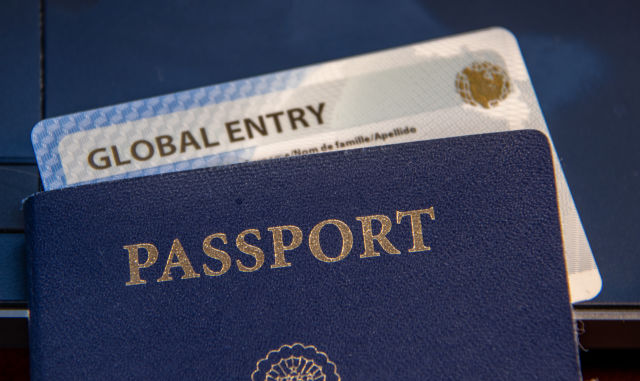
If you have been dreading the passport control line after an international trip, here is some genuinely good news to start your Wednesday. The Trump administration confirmed that Global Entry was restored on March 11 at 5:00 a.m. ET, reopening the fast-track system that had been halted last month during the ongoing partial shutdown of the Department of Homeland Security. For the more than 13 million vetted members who rely on it, the return of the program is a welcome development, and the timing could not be better as spring break travel ramps up across the country.
On February 22, the Department of Homeland Security announced it would stop processing Global Entry travelers at participating airports after its funding lapsed on February 14, when lawmakers failed to reach agreement on a spending bill. Officials said the move was meant to reallocate personnel, shifting officers to help manage the broader surge of travelers moving through airports and ports of entry.
The reaction was immediate. The US Travel Association pushed back hard, arguing that Global Entry is more than just a convenience for frequent flyers. It is also part of the country’s security infrastructure. Members go through extensive background checks, interviews, and vetting before they are approved. Suspending the program, the group said, does not just slow down airport lines. It also removes a layer of screening that has taken years to build.
Critics also pointed out that Global Entry is largely self-funded through the $120 application fee members pay every five years. Because of that funding structure, the program has typically continued operating even during past government shutdowns. That made the decision to suspend it feel especially unusual to many observers.
At the same time, a similar move affecting TSA PreCheck was quickly reversed. The fact that Global Entry remained suspended for weeks afterward only added to the frustration for international travelers trying to make their way home.
If you are not already a member, here is the quick version of why Global Entry is such a big deal for international travelers. The program allows pre-approved US citizens and lawful permanent residents returning from overseas to skip the regular passport control lines and head straight to automated biometric kiosks instead. No long queue snaking through the arrivals hall. No paper forms. Just a quick scan and you are on your way to baggage claim.
The application costs $120 and covers five years of membership. Every applicant goes through a background check, and first-time applicants also complete a short in-person interview before their membership is activated. Once you are approved, you also receive automatic access to TSA PreCheck at domestic airport security. In other words, the same program that speeds you through immigration also helps you move faster through security when you depart. For frequent travelers, the time savings on both ends of a trip add up quickly.
Here is a quick look at what membership includes:
Expedited arrival processing through automated kiosks at major US airports when returning from international travel
Access to TSA PreCheck lanes at domestic airport security checkpoints
Available at land border crossings as well as airports
$120 application fee covers five full years of membership
Minors can travel free when a parent is already enrolled or applying
Sunday was the busiest day at US airports since early January, and with spring break travel now fully underway, the return of Global Entry could not come at a better moment. For millions of travelers arriving back from international trips, it means avoiding those long passport control lines that have already been stretching across arrival halls in recent weeks.
That said, Global Entry coming back online does not solve every airport problem right now. TSA officers and US Customs and Border Protection officers are still working without pay because of the ongoing partial DHS shutdown, and security lines at several major airports have been running far longer than usual. Global Entry helps when you land in the United States. The security line when you are departing is a different part of the system, and that situation has not fully stabilized yet.
If you are flying internationally this spring, here are a few practical things to keep in mind:
Global Entry kiosks are back online at participating airports as of 5:00 a.m. ET on March 11
TSA PreCheck is still operating at domestic security checkpoints
Standard security lines may remain longer than usual because of staffing shortages
Arrive earlier than you normally would, especially at airports that have seen delays recently
If you do not have Global Entry, the free Mobile Passport Control app can help speed up arrival processing as an alternative
If this whole situation has finally convinced you it might be time to get Global Entry, the process itself is pretty straightforward. The only real requirement is a bit of patience.
Most applications are reviewed within about two weeks, though in some cases it can take longer. If an applicant has a more complicated background, the process can stretch to several months or even up to a year. For most people, the step that slows things down is the in-person interview required for first-time applicants.
The good news is you do not always have to schedule a separate appointment. Two options can make the process much easier. Enrollment on Arrival allows you to complete the interview when you land in the United States after an international trip. Enrollment on Departure lets you handle it at certain airports before you leave the country. Both options are available at participating airports and can save you a special trip to an enrollment center.
Here is what the application process typically looks like from start to finish:
Submit your application at The return of Global Entry is genuinely good news, and the timing could not be better. The airport experience is still far from perfect right now, but getting one of the most useful tools for speeding through arrivals back online is a welcome step as the spring break travel rush begins to ramp up. and pay the $120 fee (minors are free when a parent is enrolled or applying)
Wait for Customs and Border Protection to complete the background check
Complete your in-person interview, either at an enrollment center or through Enrollment on Arrival or Departure
Receive approval and start using Global Entry kiosks when returning from international travel
The return of Global Entry is genuinely good news, and the timing could not be better. The airport experience is still far from perfect right now, but getting one of the most useful tools for speeding through arrivals back online is a welcome step as the spring break travel rush begins to ramp up.
Yes. Global Entry was restored on March 11 at 5:00am ET after being suspended since February 22 due to the partial DHS government shutdown. Members can use their Global Entry benefits at participating airports again as of that date.
The Department of Homeland Security suspended Global Entry on February 22 after its funding lapsed on February 14, when lawmakers failed to reach agreement on a spending bill. Personnel were temporarily reassigned to general airport operations during the suspension.
Yes. Global Entry members automatically receive access to TSA PreCheck lanes at domestic security checkpoints, in addition to the expedited passport control kiosks available at international arrivals.
The application fee is $120 and membership lasts five years. Minors are free when a parent is already enrolled in or applying for Global Entry.
Most applications are reviewed within two weeks, though some can take up to 12 months or longer depending on criminal history. An in-person interview is required for first-time applicants before benefits are activated.
TSA PreCheck lanes are operational, but staffing shortages at TSA checkpoints due to the partial DHS shutdown mean that standard security lines are still experiencing significant delays at some airports. Global Entry's return helps on the arrivals side, but departure security is a separate issue.
The Mobile Passport Control app is a free alternative for US citizens and lawful permanent residents returning from international travel. It won't get you through as quickly as Global Entry, but it does offer a faster path than the standard passport control line at participating airports.
Applications are submitted through the Trusted Traveler Programs website at cbp.gov. You can also use the program selector tool on the CBP website to determine which trusted traveler program is the right fit for your travel habits.