We use cookies to enhance your browsing experience, serve personalized content, and analyze our traffic. By clicking "Accept All" you accept this and consent that we share this information with third parties and that your data may be processed in the USA. For more information, please read our .
You can adjust your preferences at any time. If you deny, we will use only the essential cookies and unfortunately, you will not receive any personalized content.

Not every great trip needs a customs line. The US is full of places that feel genuinely foreign, whether it's the architecture, the landscape, or the culture that built them. Here are ten destinations worth the drive, each one with a distinct "wait, are we still in America?" quality.
With sandstone arches and rock formations that look sculpted by another world, Moab could pass for a Middle Eastern desert landscape. Two national parks, Arches and Canyonlands, put it in a different league from most US road trip stops. If you've ever wanted to experience the otherworldly feel of Jordan's Wadi Rum without the flight, this is your closest option.
TThis Santa Ynez Valley town leans fully into its Danish roots: half-timbered buildings, windmills, and bakeries that smell like butter and almond paste. It's also surrounded by some of California's best wine country, so a weekend here feels less like a road trip and more like a slow European holiday.
Tucked into the mountains east of Seattle, Leavenworth has committed hard to its Bavarian identity: alpine architecture, beer halls, and festival culture that peaks at Christmas but holds up all year. Summer brings hiking and river floats; fall brings Oktoberfest. The pretzels are legitimately good.
Every October, hundreds of hot air balloons fill Albuquerque's sky during its International Balloon Fiesta, one of the most photographed events in the world, with strong Cappadocia vibes and a fraction of the airfare. Outside of festival season, adobe architecture, dramatic desert sunsets, and some of the best green chile food in the country make it worth a visit any time of year.
Founded by the Spanish in 1565, St. Augustine is the oldest city in the US, and it shows. Narrow streets, a 17th-century fort, and a Latin food scene give it a distinctly European flavor, with Florida beaches just minutes away. It's a genuinely underrated destination that tends to surprise people who expect something more generic.
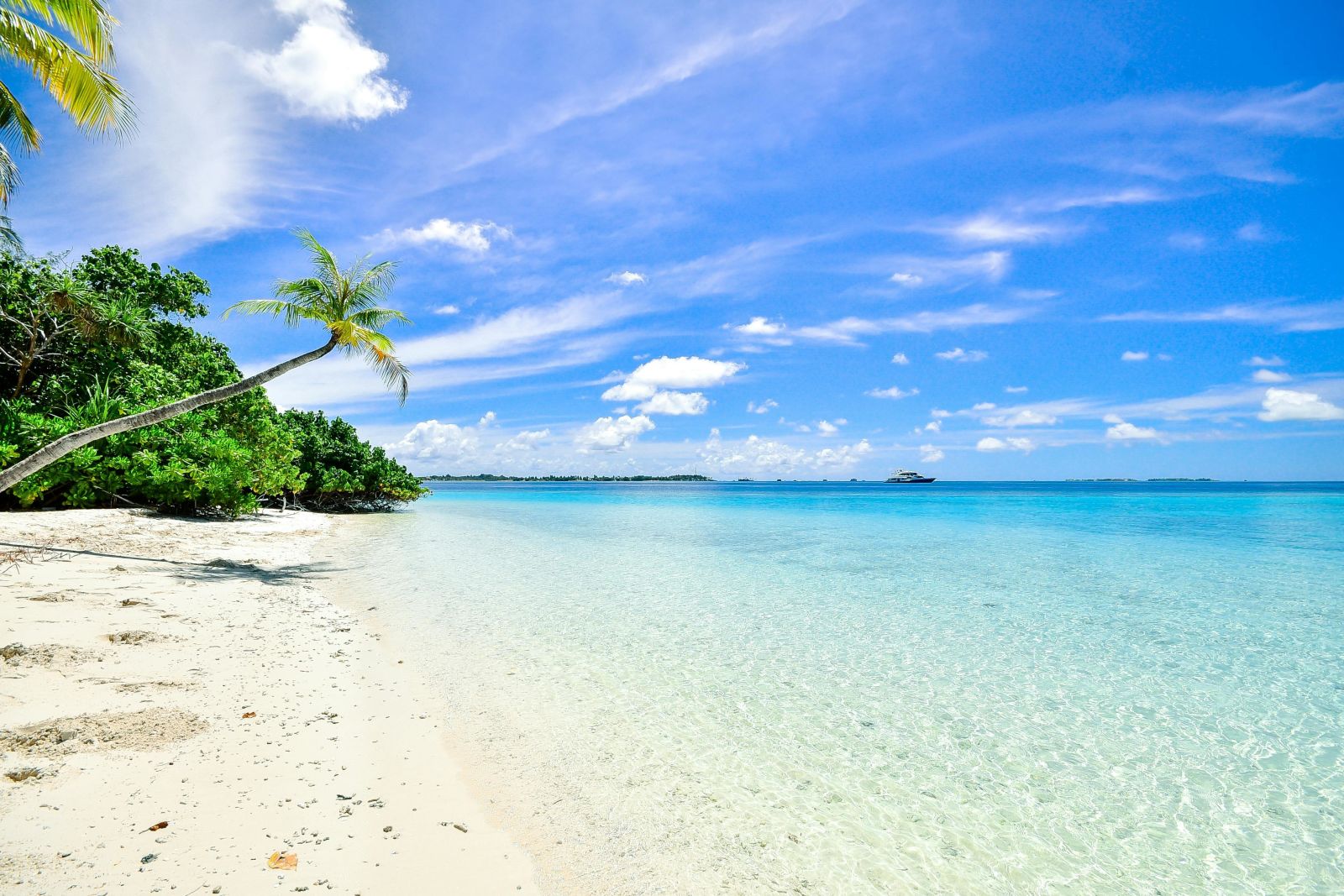
Technically yes, Hawaii is the US. But Hilo especially, with its black sand beaches, waterfalls, lush volcanic landscape, and laid-back pace, feels like a South Pacific island that happens to accept American currency. It's also significantly less crowded than Maui or Honolulu, which counts for a lot.
Wrought iron balconies, gas lamps, café au lait, and jazz spilling out of every doorway: the French Quarter mixes European elegance with Caribbean warmth and something that's entirely its own. A few hours of wandering here feels like visiting three different countries at once, with better food than most of them.
Vast, blindingly white, and completely surreal, the Bonneville Salt Flats draw inevitable comparisons to Bolivia's Salar de Uyuni. It's one of the most photogenic landscapes in North America and genuinely disorienting in the best possible way. Worth a stop on any Utah road trip.
Every spring, Holland, Michigan transforms into a little slice of the Netherlands. Fields of tulips stretch as far as the eye can see, making the town’s annual festival a must for flower lovers and photographers. Wooden clogs? Yes, they’re here. A working Dutch windmill? Also yes. And to top it off, the town has its own canal, giving it that quaint, old-world feel without ever leaving the U.S. It's one of those places that earns its reputation.
Founded by German immigrants in the 1840s, Fredericksburg still celebrates its roots with genuine conviction: bratwurst, beer steins, Oktoberfest, Christmas markets, and architecture that wouldn't look out of place in Bavaria. It also sits in the middle of Texas wine country, which makes the surrounding area worth exploring beyond Main Street.
Travel doesn’t always have to be far-flung to feel exciting. Sometimes it’s just a drive (and a well-timed bakery stop) away. Whether you're in it for the architecture, the food, or just the vibes, these U.S. destinations prove you don’t need to leave the country to leave it all behind.
Several make a strong case. St. Augustine has genuine Spanish colonial history built into its streets and architecture. New Orleans blends French, Spanish, and Caribbean influences into something unlike anywhere else in the US. Leavenworth, Washington and Fredericksburg, Texas both maintain living Bavarian traditions, from food to festivals to building design.
Moab, Utah is the most compelling comparison, with red rock canyons and sandstone formations that echo the look of Wadi Rum in Jordan. The Bonneville Salt Flats draw frequent comparisons to Bolivia's Salar de Uyuni for their surreal, flat whiteness.
New Orleans comes closest on the mainland. Its food, architecture, music, and cultural history set it apart from every other American city. Hawaii, particularly Hilo, delivers the strongest "you are definitely not in Kansas anymore" feeling in terms of landscape and pace of life.
Yes. Solvang, California was built around its Danish identity and still looks the part. Holland, Michigan authentically celebrates its Dutch roots every spring. Fredericksburg, Texas has kept its German founding culture alive through food, festivals, and architecture for nearly 200 years.
Albuquerque gets overlooked compared to Santa Fe, but its Balloon Fiesta alone makes it one of the most visually spectacular events in the country. Hilo, Hawaii is similarly underrated relative to the island's more tourist-heavy west side.
No. All ten are within the United States and require no passport for US citizens. Hawaii requires a domestic flight but no international travel documentation.