We use cookies to enhance your browsing experience, serve personalized content, and analyze our traffic. By clicking "Accept All" you accept this and consent that we share this information with third parties and that your data may be processed in the USA. For more information, please read our .
You can adjust your preferences at any time. If you deny, we will use only the essential cookies and unfortunately, you will not receive any personalized content.

Airplane cabins are one of the few environments where hundreds of strangers share a small space for hours at a time. Because of that, even small annoyances can quickly become major frustrations for the people sitting nearby.
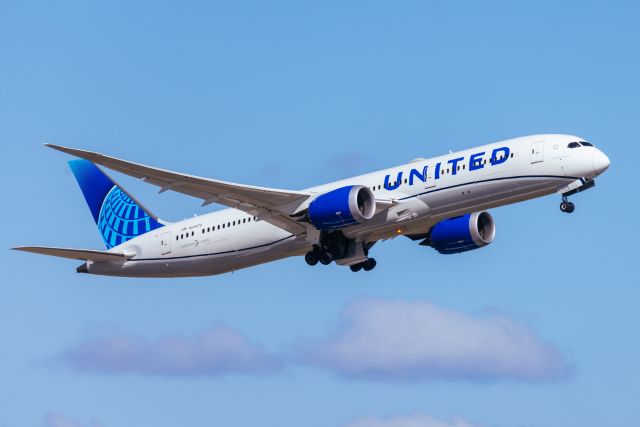
United Airlines has now taken a clearer stance on one of the most common in-flight complaints. The airline recently updated its passenger agreement to state that travelers who play audio or video without headphones may be denied boarding, removed from a flight, or permanently banned from flying United altogether.
United Airlines recently made a small but noticeable change to its contract of carriage, the legal agreement passengers accept when they buy a ticket. The update, added on February 27, 2026, clarifies that travelers who play audio or video out loud without headphones could fall under the airline’s “refusal to transport” policy, listed in Rule 21 as item No. 22.
(Source: Screenshot from United Airlines contract of carriage, March 5, 2026)
That section outlines situations where a passenger can be denied boarding, removed from a flight, or in extreme cases banned from flying with the airline. By adding loud device audio to the list, United is essentially putting things like blasting music, videos, or social media clips without headphones into the same category as other disruptive behavior that flight crews are already allowed to manage.
In practical terms, the message is fairly simple. If someone keeps playing content out loud after being asked to stop, the situation could escalate beyond a polite request from a flight attendant. The updated language gives crew members clearer authority to step in if needed, and United has indicated it is willing to enforce it when passengers refuse to cooperate.
Not surprisingly, the change has sparked plenty of reactions online. Many travelers say the rule is long overdue, arguing that wearing headphones on a plane should already be basic courtesy. Others are surprised that something most people see as simple etiquette now appears directly in an airline’s official rulebook.
United says the timing of the change is tied to a broader upgrade happening across its fleet. The airline is rolling out Starlink satellite Wi-Fi, which will allow passengers to stream movies, shows, and other content directly on their personal devices during flights. According to a United spokesperson, “with the expansion of Starlink, it seemed like a good time to make that even clearer by adding it to the contract of carriage.”
In other words, as it becomes easier for passengers to stream content in the air, the airline wants to be clearer about how that content should be enjoyed. Headphones have always been encouraged, but the updated wording now makes the expectation official. United also said the rule was not introduced because of a specific incident, suggesting the change is more about setting expectations ahead of time rather than responding to a particular problem.
And for anyone who boards the plane without headphones, there is still a simple solution. United says passengers can request complimentary basic wired earbuds from the cabin crew when they are available. The idea, the airline says, is not to punish travelers but to help keep the cabin comfortable for everyone onboard.
Anyone who flies regularly has probably experienced exactly the situation United is trying to avoid. A passenger nearby starts watching videos or scrolling through social media with the sound playing out loud, filling the cabin with bits of music, dialogue, or endless notification pings.
On a plane, even short clips can travel surprisingly far. In a quiet cabin, that noise can carry several rows, which is frustrating for anyone trying to sleep, read, work, or simply relax during a long flight.
Travel experts say it usually comes down to a small number of passengers, but the impact can spread across a big section of the cabin. That’s why many travelers online have welcomed the clarification, saying it gives flight crews a clearer and simpler way to deal with something that has become a surprisingly common annoyance. ✈️
For most passengers, the updated policy will not change anything about their travel experience. Wearing headphones while watching or listening to something on a plane is already the norm.
If someone does play audio out loud, flight attendants will usually start with a simple reminder. They may ask the passenger to lower the volume or use headphones, and in most cases that is the end of the situation. United has confirmed that passengers would receive a warning before any further action is taken.
Things would only escalate if someone repeatedly ignores those instructions. In that case, the updated contract gives the airline the authority to remove the passenger from the flight or, in more serious situations, ban them from flying with United altogether. It is a pretty significant consequence for behavior many travelers might otherwise think of as a minor annoyance.
United is the first major U.S. airline to formally include headphone use in its legally binding passenger agreement, although some smaller carriers, including Frontier Airlines, have had similar wording for some time. Whether other airlines decide to follow remains to be seen. For now, though, the message is pretty simple: bring your headphones, or risk a situation that goes far beyond an awkward conversation at 30,000 feet.
Yes. United's updated contract of carriage states that passengers who fail to use headphones while playing audio or video content may be denied boarding, removed from a flight, or refused transport on a permanent basis.
The language was added to United's contract of carriage on February 27, 2026, under Rule 21 as item No. 22.
United is the first major U.S. airline to formally include it in a legally binding passenger agreement. Some smaller carriers like Frontier have had similar language in place previously.
The rule applies to any personal device playing audio or video content, including music, movies, and social media feeds that emit sound.
Passengers may request complimentary basic wired earbuds from cabin crew, though availability is not guaranteed on every flight.
No. Crew members give a warning first. A permanent ban would only follow repeated refusal to comply with instructions.
Yes. United's contract of carriage also prohibits voice and video calls after the aircraft doors close.