We use cookies to enhance your browsing experience, serve personalized content, and analyze our traffic. By clicking "Accept All" you accept this and consent that we share this information with third parties and that your data may be processed in the USA. For more information, please read our .
You can adjust your preferences at any time. If you deny, we will use only the essential cookies and unfortunately, you will not receive any personalized content.

Thousands of cruise passengers are unexpectedly living aboard ships that cannot sail and cannot fully disembark. As tensions rise around the Strait of Hormuz and regional airspace disruptions ripple across the Middle East, several vessels in ports like Dubai and Doha have effectively become floating hotels.
The UN’s International Maritime Organization now says around 15,000 cruise passengers and 20,000 seafarers are stranded across the region. Ships cannot safely continue their voyages, and many passengers cannot yet fly home.
As of Thursday, the United Nations’ International Maritime Organization confirmed that roughly 15,000 cruise passengers and 20,000 seafarers are currently stranded across Gulf waters, unable to move forward or return home.
At the center of the situation is the Strait of Hormuz, one of the most critical shipping corridors on Earth. With security concerns escalating in recent days, traffic through the strait has slowed dramatically. The result is a ripple effect touching everything from oil tankers and cargo ships to cruise vessels carrying vacationers who never expected to extend their time at sea.
For the moment, life onboard remains relatively calm. Cruise lines say meals, entertainment, and normal ship operations are continuing. But the ships are not moving, flights remain heavily disrupted, and passengers are still waiting for clarity about when travel can resume.
New figures released Thursday by the IMO illustrate how quickly the situation has escalated.
Seaborne traffic through the Strait of Hormuz has dropped roughly 80 percent since the weekend. Oil tanker traffic alone has fallen about 90 percent compared with the previous week. For one of the world’s busiest maritime corridors, that is a dramatic slowdown.
IMO Secretary General Arsenio Dominguez described the situation as a humanitarian concern, emphasizing that seafarers often have little control over the geopolitical risks surrounding them and urging shipping companies to take extreme caution while operating in the area.
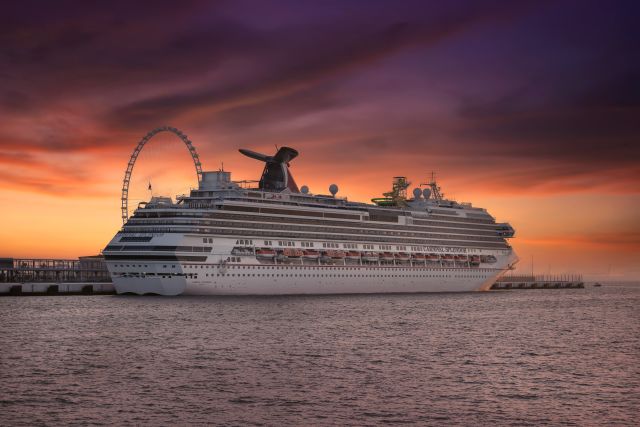
Several cruise ships remain docked across Gulf ports with passengers onboard and no confirmed departure timeline.
Among the vessels currently affected:
MSC Cruises: MSC Euribia remains docked in Dubai under guidance from regional authorities. Embarkations have been suspended while the situation is assessed.
Celestyal Cruises: Both Celestyal Journey and Celestyal Discovery have cancelled scheduled departures and remain in regional ports while authorities evaluate maritime safety conditions.
TUI Cruises: Mein Schiff 5 has completed its itinerary but passengers remain onboard in Doha because outbound flights remain extremely limited.
Cruise line captains have activated security protocols across multiple vessels. Some of those measures stem from safety concerns in the Strait of Hormuz itself, while another factor appears to be insurance coverage.
Maritime insurers have reportedly paused coverage for ships operating in parts of the Gulf, which makes sailing extremely difficult from a legal and operational standpoint.
From a map perspective, leaving the Gulf looks simple. In reality, it is not.
Nearly every ship currently docked in the region would need to pass through the Strait of Hormuz to reach open ocean routes. With security conditions uncertain, cruise operators are reluctant to move vessels through that corridor.
Insurance is also playing a major role. Reports from maritime analysts suggest insurers have paused coverage for ships operating in the conflict zone. Without insurance, cruise lines cannot legally operate many voyages.
The aviation situation compounds the problem. Even ships that technically could release passengers cannot do so easily if there are no flights available.
According to aviation analytics firm Cirium, nearly 1,900 of more than 5,450 scheduled flights in the Middle East were cancelled on Tuesday alone. That means thousands of travelers who might otherwise disembark have no practical way to reach home.
Cruise companies say conditions onboard remain calm and that normal ship operations are continuing while authorities monitor the regional security situation.
Here is what operators have told passengers so far:
Celestyal Cruises says guests cannot currently disembark at certain ports due to instructions from local authorities. The company says it will assist with transfers to Abu Dhabi Airport once approval is granted and is offering full refunds or future cruise credits for cancelled sailings.
MSC Cruises said earlier this week that it is following regional government guidance to keep ships docked in Dubai while airspace and maritime restrictions remain in place. The cruise line says it is also working to repatriate stranded passengers and has launched a dedicated flight operation that currently includes five charter flights, with the first scheduled to depart Thursday, March 5. If all flights proceed as planned, nearly 1,000 guests could leave the region by Saturday. MSC says it is also pursuing additional options for remaining passengers, including commercial flights, further charter services, and coordinated government-assisted solutions.
TUI Cruises says passenger safety remains its top priority and that onboard services continue normally while authorities work to reopen safe travel routes.
Governments are also beginning to monitor the situation closely. Germany has reported roughly 30,000 citizens stranded across the region due to both aviation and maritime disruptions, and several countries are evaluating charter evacuation options for vulnerable travelers.
The ships themselves remain safe, crews are working continuously to support passengers, and cruise operators are coordinating with regional authorities. But the reality is that travel cannot resume until conditions around the Strait of Hormuz are considered safe again. Until then, passengers will likely remain onboard while airlines and maritime authorities work toward restoring normal travel routes.
The United Nations’ International Maritime Organization says roughly 15,000 cruise passengers and 20,000 seafarers are currently stranded across Gulf waters.
Most ships would need to travel through the Strait of Hormuz to exit the region. Security concerns and insurance restrictions are preventing many operators from sailing.
MSC Cruises, Celestyal Cruises, and TUI Cruises have all confirmed vessels that remain docked in Gulf ports.
In some cases disembarkation has been limited due to local authority instructions and the lack of available outbound flights.
Yes. Celestyal Cruises has confirmed full refunds or future cruise credits for cancelled sailings. Other cruise lines are expected to follow similar policies.
Cruise companies say onboard conditions remain calm and normal ship operations are continuing.
There is no confirmed timeline. Travel will likely resume once maritime authorities determine the Strait of Hormuz can safely reopen to normal ship traffic.
Passengers and families should stay in contact with the cruise line directly and monitor updates from their country’s embassy.