We use cookies to enhance your browsing experience, serve personalized content, and analyze our traffic. By clicking "Accept All" you accept this and consent that we share this information with third parties and that your data may be processed in the USA. For more information, please read our .
You can adjust your preferences at any time. If you deny, we will use only the essential cookies and unfortunately, you will not receive any personalized content.

Travel scams have existed for as long as people have traveled. What changes is the scale, the sophistication, and in some destinations, just how exhausting the whole experience can become. In most places, you might deal with an overpriced taxi or tourist trap and move on. But in the countries below, traveler reports, insurer data, and government advisories all point to places where the “hassle factor” has hit another level. That doesn’t mean these destinations aren’t worth visiting. The Pyramids are still incredible. Bangkok’s temples are still breathtaking. But knowing what you’re walking into before you arrive can be the difference between an amazing trip and a miserable one.
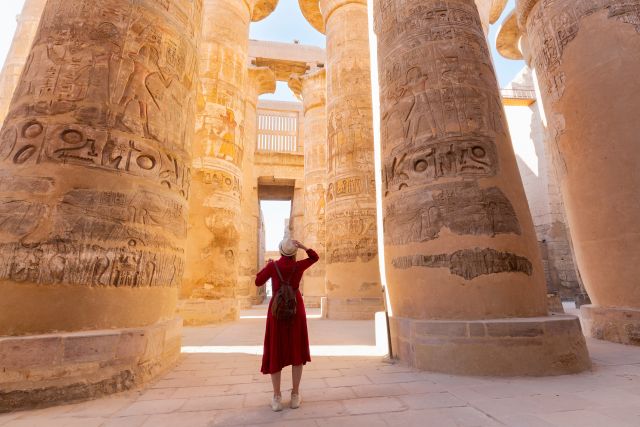
From viral TikToks to veteran travel forums, Egypt consistently comes up as one of the toughest places in the world for tourist scams and aggressive hustling. From the moment you leave the airport, the pressure can feel relentless. Around the Pyramids of Giza especially, travelers frequently report unofficial “guides” demanding payment, camel handlers offering a “free” photo and then refusing to let tourists off without cash, and nonstop hawkers surrounding nearly every major sight. Veteran travelers often describe the touting in Egypt as more aggressive than almost anywhere else they’ve been, and solo female travelers regularly report additional concerns around harassment and safety.
Petra delivers the same jaw-dropping ancient-world atmosphere, but with a far more relaxed and welcoming experience. Travelers consistently praise the hospitality, and the tourism infrastructure feels far less confrontational.
Morocco is genuinely one of the most visually stunning countries on earth. Marrakesh’s medina, the blue streets of Chefchaouen, the Sahara at sunrise — all of it really is as magical as the photos make it look. The challenge is that many travelers also describe the experience as exhausting. Persistent touts, intense pressure inside souks, self-appointed “guides” demanding payment, and fake “official fees” are all common complaints. The medinas of Fes and Marrakesh are intentionally maze-like, and unofficial guides often use that confusion to their advantage. Travelers looking for a calmer version of Morocco frequently point to Essaouira, a coastal city known for being far more relaxed and less aggressive.
The cities are easy to navigate, the atmosphere is warm and welcoming, and you can wander without someone trying to sell you something every few minutes. It’s also far more affordable than much of Western Europe.
Thailand is known as “the Land of Smiles,” but in parts of Phuket and Bangkok, that smile can sometimes come with a hustle attached. One of the country’s most notorious tourist scams is the so-called “Jet Ski Mafia” in Phuket: you rent a jet ski, return it, and suddenly the operator points to a scratch that was already there and demands hundreds or even thousands of dollars in damages, sometimes with fake police threatening arrest if you refuse to pay. Then there’s the classic “Grand Palace is Closed” scam, where tuk-tuk drivers near major attractions insist a temple is closed for a holiday and offer to take you somewhere “better” instead, usually a gem shop or tailor where they earn commission.
None of this should put you off Thailand entirely. Chiang Mai, the northern islands, and rural areas are consistently described as warm, relaxed, and genuinely wonderful. But knowing how these scams work before you arrive can save you from becoming the next tourist arguing over a scratch you didn’t make.
Consistently described as offering a similar mix of beaches, temples, and tropical scenery at a fraction of the pressure, and with recently simplified visa access for Americans.
India is perhaps the ultimate example of a destination where the line between a scam, a misunderstanding, and genuine chaos can feel surprisingly blurry. One of the most common tourist scams is the fake “Official Tourist Office” setup: your driver suddenly insists your hotel has closed, burned down, or been condemned, then redirects you to a so-called government tourism office where staff pressure you into booking an entirely new, wildly overpriced itinerary. Travelers also frequently mention challenges around hygiene, transportation confusion, food-borne illness, and public transit systems that can feel overwhelming if you’re arriving unprepared.
At the same time, India is also one of the most unforgettable countries many travelers ever visit. For millions of people, the intensity is part of what makes the experience so transformative. The key is arriving with a high level of scam awareness, booking reputable hotels and guides ahead of time, and understanding that a firm “no” followed by walking away is often the best response.
Travelers often describe it as offering a similarly rich mix of history, street food, temples, and vibrant city life, but with far less hassle and a much easier learning curve for first-time visitors.
Paris is the most visited city on earth, which also makes it prime territory for tourist scams. Unlike the aggressive hustling you see in places like Egypt, Paris scams tend to be more subtle, coordinated, and strangely theatrical. The infamous friendship bracelet scam near Sacré-Cœur has been running for years: someone quickly ties a bracelet onto your wrist, then aggressively demands payment. The “gold ring” trick is just as common, where someone pretends to find a ring near you and then pressures you for money as a “reward.” Research based on TripAdvisor forum discussions found that France had the highest scam discussion rate among Europe’s top tourist destinations, with scam mentions appearing at more than double the rate of Spain and roughly triple that of Greece.
That said, Paris is still Paris, and for most travelers it’s absolutely worth the trip. The key is keeping your guard up in heavily touristed areas. Don’t sign petitions, don’t accept anything handed to you by strangers, and if someone starts reaching for your wrist near Sacré-Cœur, keep walking.
You still get grand architecture, world-class museums, elegant cafés, and incredible history, but with far less street hassle. It consistently ranks as one of Europe’s most visitor-friendly cities.
A few rules apply no matter where you’re traveling: book major tours, airport transfers, and activities through verified providers before you arrive instead of agreeing to deals on the street. Travel fraud is now more than four times higher than the average fraud rate across other industries, and trip-planning scams involving fake listings, edited photos, and malicious booking links rose more than 12% in 2024 alone. Use your bank or credit card’s official app instead of searching online for customer service numbers, never accept anything handed to you “for free” in a tourist area, and trust your instincts. If a situation feels designed to confuse, pressure, or rush you, there’s usually a reason for that.
Egypt consistently tops traveler reports and government advisories as the most challenging destination for scams and aggressive touting, particularly around the Pyramids of Giza and other major ancient sites. Morocco is frequently cited alongside it for similar reasons.
Yes. The scam activity in Thailand is concentrated in specific areas, primarily Phuket, Patong Beach, and parts of central Bangkok near major temples. Chiang Mai, northern Thailand, and less-touristed islands have a markedly different, more relaxed atmosphere. Going in informed about the known scams means you can avoid most of them.
A well-documented scam where rental operators pre-damage jet skis, then present the damage to returning tourists as something they caused and demand several hundred to over a thousand dollars in payment. Fake police officers are sometimes involved to add intimidation. The simplest defense is to photograph every scratch on any rental vehicle before you take it.
Mostly annoying and financially inconvenient rather than dangerous. The friendship bracelet, gold ring, and petition scams are nuisance-level. The more significant risk in Paris is pickpocketing, which operates in coordinated teams at tourist sites, on the Métro, and around Sacré-Cœur.
Book all major transportation, tours, and accommodation through verified providers before you arrive in the country, and don't let any driver "helpfully" redirect you anywhere mid-journey. If your hotel has allegedly closed, call the hotel directly before agreeing to go anywhere else.
Don't engage, don't accept anything placed in your hands, and walk away without making eye contact. Aggressive confrontation rarely helps. If money has already changed hands, report it to local tourist police and your bank immediately. Keep records of all transactions and accommodation bookings.
Yes. Travelers who book licensed guides in advance, arrange airport transfers ahead of time, and stay alert around major monuments consistently report much better experiences. The hustle doesn't stop, but knowing how it works and having a plan removes most of the vulnerability.