We use cookies to enhance your browsing experience, serve personalized content, and analyze our traffic. By clicking "Accept All" you accept this and consent that we share this information with third parties and that your data may be processed in the USA. For more information, please read our .
You can adjust your preferences at any time. If you deny, we will use only the essential cookies and unfortunately, you will not receive any personalized content.

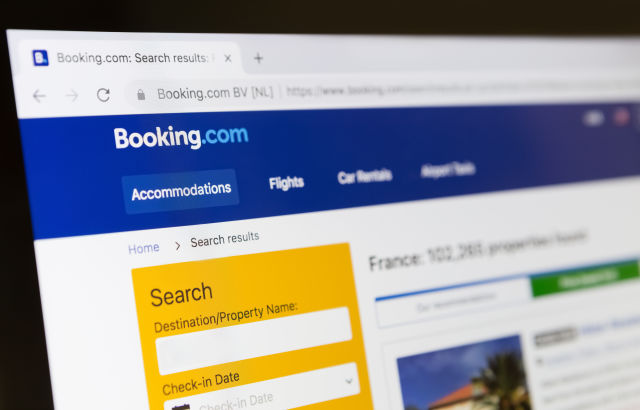
If you've booked a hotel or accommodation through Booking.com recently, your personal information may have been accessed by hackers. The company confirmed the breach this week, notifying affected customers that unauthorized third parties gained access to reservation data. Here's what we know so far and what you should actually do about it.
Booking.com confirmed that hackers accessed customer data tied to travel reservations. The company said it noticed suspicious activity involving unauthorized third parties and took steps to contain the issue after discovering it. Reservation PINs have since been reset for affected bookings.
The breach is the latest in a pattern of cybercrime targeting the platform, which lists more than 30 million accommodation venues worldwide and connects millions of travelers with hotels, rentals, and experiences every year.
Booking.com has not disclosed how many customers were affected, but the data exposed in the breach could include:
Full names
Email addresses
Phone numbers
Physical addresses
Booking details and reservation information
Anything you shared directly with the accommodation
The company confirmed that financial information was not accessed, meaning credit card numbers and payment data appear to be safe. That said, the personal details that were exposed are more than enough for scammers to work with.
If you have an active or recent reservation on Booking.com, treat any incoming messages about it with extra caution. There are already reports of hackers using stolen reservation details to send phishing messages via WhatsApp, with at least one affected user reporting they received a suspicious message containing accurate booking information two weeks before Booking.com issued its notification.
A few practical steps worth taking now:
Be skeptical of any message asking you to verify payment details or re-enter card information before a trip
Booking.com says it will never ask for card details or unusual transfers via email, phone, WhatsApp, or SMS
If you receive a message that looks like it's from Booking.com or your accommodation, go directly to the app or website to verify rather than clicking any links
Check your email for a notification from Booking.com directly — if you were affected, the company says it has informed impacted customers
Not exactly. Back in 2018, scammers used phishing tactics to get login credentials from hotel staff in the UAE, which gave them access to the booking details of more than 4,000 customers. The company didn’t report the breach right away and was later fined €475,000 (about $515,000 USD) by Dutch regulators.
More recently, the problem hasn’t been a single large breach so much as a steady rise in scams. Travelers have been contacted by fraudsters posing as hotels or customer support, asking for payment details to “verify” or pre-authorize bookings. What makes this current situation more concerning is that it seems to be feeding directly into that pattern. Scammers are now using real reservation details, which makes the messages feel legitimate at first glance and a lot harder to spot.
That’s a fair question. Booking.com is still one of the largest and most widely used booking platforms in the world, and there’s no indication that payment information was exposed in this case. But the pattern here is worth paying attention to, especially as scams get more sophisticated.
For now, it’s not about avoiding the platform altogether. It’s about how you use it. If you have an active reservation, keep using the app or official website to check details and communicate with your property. But treat any unsolicited messages about your booking, especially those asking for payment or verification, with a healthy dose of skepticism.
This is one of those moments where a little awareness goes a long way. Booking.com is still widely used and, for many trips, still the easiest way to book. But the way scams are evolving means travelers need to be just a bit more deliberate. Trust the information inside your account, not what shows up in your inbox or on WhatsApp. If something doesn’t feel right, pause and check it directly. Travel planning hasn’t suddenly become unsafe, but it has become something you need to stay actively aware of.
Booking.com confirmed that unauthorized third parties accessed customer data tied to travel reservations. Exposed information could include names, email addresses, phone numbers, addresses, and booking details. The company has contained the issue and notified affected customers.
Booking.com confirmed that financial information was not accessed in the breach. Credit card numbers and payment data do not appear to have been compromised.
Booking.com says it has notified customers whose information was accessed. Check your email for a message from the company. If you haven't received one, your account may not have been affected.
Do not click any links or provide payment details. Go directly to the Booking.com app or website to check your reservation status. The company says it will never ask for card details or unusual transfers via email, phone, WhatsApp, or SMS.
Yes. In 2018, hackers used phishing tactics to access the booking data of more than 4,000 customers via hotel employee login details. Booking.com was fined €475,000 for reporting that breach late to the Dutch privacy regulator.
Booking.com has not disclosed the number of affected customers. The company said it has contained the issue and informed impacted guests.
The breach did not expose payment information, and the company says the issue has been contained. Travelers can continue using the platform but should treat any unsolicited messages about reservations with caution and verify through official channels directly.
Booking.com reset reservation PINs for affected bookings, contained the suspicious activity, and notified impacted customers. The company has not disclosed full technical details of how the breach occurred.