We use cookies to enhance your browsing experience, serve personalized content, and analyze our traffic. By clicking "Accept All" you accept this and consent that we share this information with third parties and that your data may be processed in the USA. For more information, please read our .
You can adjust your preferences at any time. If you deny, we will use only the essential cookies and unfortunately, you will not receive any personalized content.

For weeks, Utah’s mountains felt like they were holding their breath. Resorts stayed optimistic, locals refreshed snow reports, and visitors hesitated to book. The season was open, technically, but it was not yet iconic.
Then the storm arrived.
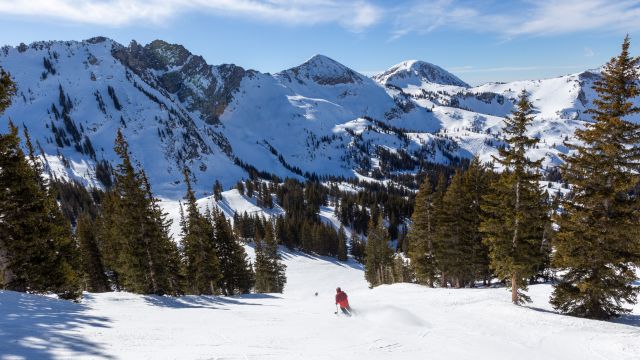
A powerful system swept across the Wasatch Front, blanketing the mountains in fresh snow and restoring the kind of coverage that defines a true Utah winter. Slopes that had been thin finally filled in, base depths climbed, and the mood across major resorts changed almost overnight. After a slow start, Utah’s ski season finally looks and feels like itself again.
Utah is famously known for having “The Greatest Snow on Earth.”
The state averages roughly 263 inches of snow per year, thanks to its unique lake effect system and dry mountain air that creates famously light, fluffy powder. This season had been lagging behind that reputation. Salt Lake City had gone 337 days without recording at least an inch of snow, brushing up against historical records dating back to the 1800s.
Now the mountains look entirely different.
Storm totals across major resorts have transformed terrain, reopened trails, and restored the kind of skiing Utah is known for worldwide.
Here’s how some of the largest Wasatch resorts are stacking up after the storm.
Alta delivered the headline numbers.
Nearly 3½ feet storm total
Over 2 feet in just 12 hours
Base depth pushing toward 100 inches
Alta is unapologetically about the skiing. No frills, no distractions, just terrain and snow. After a storm like this, its steep bowls and high alpine lines feel transformed. This is classic Utah powder skiing at its most authentic.
Brighton posted 17 inches overnight, calling it a true Powder Day.
Known for its relaxed vibe, accessible terrain, and beloved night skiing, Brighton feels like the place to be after a storm cycle like this. The new snow has refreshed the tree runs and improved surface conditions across the groomed trails, giving the mountain a noticeable midseason lift.
Solitude lived up to its name and quietly racking up serious snow.
Two feet of snow between Tuesday night and Wednesday morning
Storm totals still climbing
Forecast calling for continued accumulation
Tree skiing here after a storm feels cinematic. Soft turns, quiet glades, fewer crowds than its neighbors. With continued snow in the forecast, Solitude is shaping up to be one of the smartest bets for travelers who want deep snow without the frenzy.
Snowbird nearly reached a foot before sunrise and kept adding inches through the day.
With its dramatic terrain and iconic tram, Snowbird thrives when storms roll through. Steeps ski better, off piste lines open up, and the entire mountain feels reenergized. For advanced skiers especially, this storm cycle could define the season.
The powder is spectacular. The logistics require attention.
Flights at Salt Lake City International Airport were briefly grounded while plows cleared runways for the first time this season, resulting in cancellations and diversions. Traction laws are currently in effect in Little and Big Cottonwood Canyons, and the Utah Avalanche Center has issued high danger warnings in many mountain zones.
If you are planning a trip, check road conditions through UDOT, allow extra travel time into the canyons, and monitor avalanche advisories if you plan to venture beyond resort boundaries.
Powder days reward preparation.
The numbers speak for themselves. Feet of snow, not inches. Resorts reporting storm totals with genuine excitement. Terrain that finally looks and skis the way it should in midseason.
After a slow start, conditions have stabilized in a meaningful way. Coverage is strong, lifts are running across most terrain, and more snow in the forecast should help maintain consistency in the weeks ahead. For travelers who were hesitant earlier in the season, this shift matters.
Utah does not build its reputation on average winters. It is known for light, dry powder and big storm cycles that reset the mountains overnight. When those systems arrive, everything changes quickly.
If you have been waiting for Utah to look like Utah, this is your sign.
Because when the Wasatch is blanketed in fresh snow, when Alta is measuring feet not inches, when Brighton is posting storm totals with exclamation points, and when Solitude quietly stacks two feet in a single night, that’s when Utah feels like the Greatest Snow on Earth again.
Is now a good time to ski in Utah?
Yes. After a slow early season, recent storms have dramatically improved snow conditions across major resorts in the Wasatch. Base depths are climbing and more snow is forecast.
Which Utah resorts got the most snow?
Alta reported nearly three and a half feet over several days, with significant accumulation also at Brighton, Solitude, and Snowbird.
Are roads to Utah ski resorts safe right now?
Road conditions can change quickly during storm cycles. Traction laws are often in effect in Little and Big Cottonwood Canyons. Always check UDOT before driving and carry chains or use a four wheel drive vehicle when required.
Is avalanche danger high in Utah right now?
Yes. The Utah Avalanche Center has issued warnings in many mountain areas following the storm. Backcountry travelers should check daily avalanche forecasts and avoid unstable terrain.
When is the best time to book a Utah ski trip?
Mid season through early spring is typically ideal. With fresh snow now improving conditions, the coming weeks are shaping up to be strong for visitors.
Why is Utah called the Greatest Snow on Earth?
Utah’s snow is famously light and dry due to its lake effect system and low humidity mountain climate. The result is powder that feels softer and skis better than heavier, wetter snow found in many other regions.