
We use cookies to enhance your browsing experience, serve personalized content, and analyze our traffic. By clicking "Accept All" you accept this and consent that we share this information with third parties and that your data may be processed in the USA. For more information, please read our .
You can adjust your preferences at any time. If you deny, we will use only the essential cookies and unfortunately, you will not receive any personalized content.
Another winter storm is sweeping across the western United States, and this one is not playing around.
A new winter storm warning has been issued across parts of 11 states, with forecasts calling for up to 4 feet of snow in some mountain regions.
⬇️
Before we get into what this means for travel and daily life, here’s what’s actually happening.
According to the National Weather Service and reporting from Newsweek, this system is expected to bring heavy snow, strong winds, and hazardous travel conditions across large parts of the western U.S.
The National Weather Service says the storm will begin impacting areas on Wednesday and continue through Thursday and Friday in many regions. Heavy snowfall and strong winds are expected to build through midweek. Some mountain areas are already seeing significant accumulation, and warnings remain in effect as the system moves through the region.
Mountain areas could see multiple feet of snowfall, with some higher elevations forecast to receive up to four feet. Lower elevations are also expected to see significant accumulation, along with blowing snow and reduced visibility.
The winter storm warnings span parts of:
California
Nevada
Oregon
Washington
Idaho
Montana
Wyoming
Utah
Colorado
Arizona
New Mexico
These warnings signal dangerous winter conditions that could make travel difficult or impossible in certain areas, especially through mountain passes.
This winter season in the West has stood out compared to recent years. After several seasons marked by drought concerns and below-average snowpack in some areas, parts of the Sierra Nevada and Rockies have seen strong storm cycles.
Heavier precipitation events have created both opportunity and risk. Ski resorts are benefiting from fresh powder, but communities are also dealing with road closures, flooding risk during melt periods, and increased avalanche danger.
In short, it has been a more active winter pattern than in some recent drier years, especially in California and surrounding states.
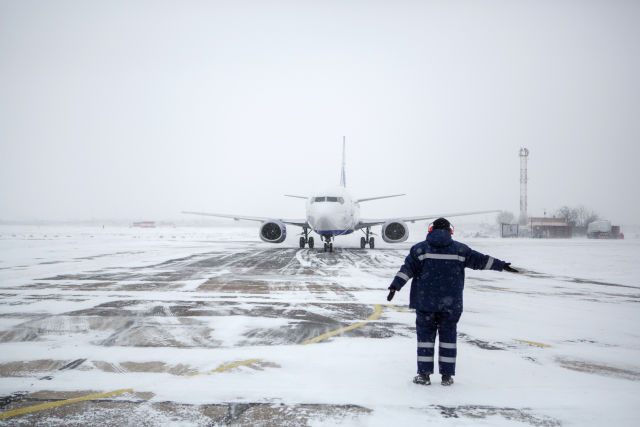
If you are flying into or out of the western U.S., expect possible delays. Major airports near mountain regions often see ripple effects from storms like this.
If you are driving, check state transportation websites before leaving. Mountain passes in California, Nevada, Colorado, and Wyoming are especially vulnerable to closures during heavy snow events.
This is also the kind of storm where conditions can look fine in one town and be completely different 20 miles up the road.
Check National Weather Service updates for your exact county
Monitor state road conditions if driving
Confirm flight status before heading to the airport
Review avalanche forecasts if heading into the backcountry
Pack emergency supplies if traveling through mountain areas
A winter storm warning has been issued across parts of 11 western states
Mountain regions could receive up to 4 feet of snow
States affected include California, Nevada, Oregon, Washington, Colorado, Utah, Idaho, Montana, Wyoming, Arizona, and New Mexico
Lake Tahoe and Sierra Nevada areas face increased avalanche risk
Travel disruptions, road closures, and dangerous mountain conditions are likely