
We use cookies to enhance your browsing experience, serve personalized content, and analyze our traffic. By clicking "Accept All" you accept this and consent that we share this information with third parties and that your data may be processed in the USA. For more information, please read our .
You can adjust your preferences at any time. If you deny, we will use only the essential cookies and unfortunately, you will not receive any personalized content.
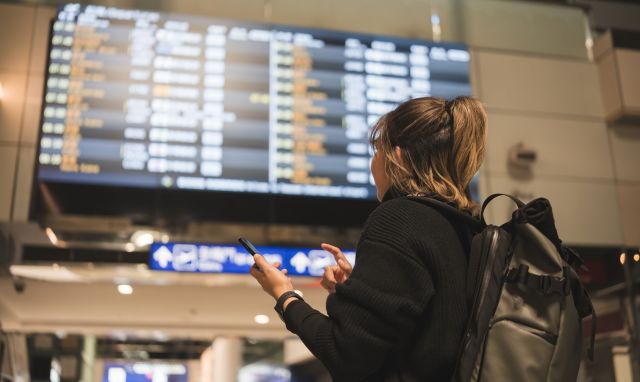
If you have ever watched your departure time quietly change from “on time” to “delayed” and then disappear entirely, you already know how confusing airline rules can feel. In the United States, what airlines owe you depends on why your flight went wrong, not just how inconvenient it is for you.
That difference matters. A lot.
Here is a clear guide to airline terms and conditions that actually protect travelers, what U.S. airlines are legally required to do, and where you still need to advocate for yourself.
When an airline cancels your flight and you choose not to travel, you are entitled to a full cash refund. This applies even if you purchased a non-refundable ticket.
That refund must include:
The unused portion of your ticket
Any paid extras you did not receive, such as checked bags or seat upgrades
Airlines may offer a travel credit or voucher instead, but you are not required to accept it. You can ask for your money back.
If you paid by credit card, refunds must be issued within seven business days. For cash or check payments, airlines have up to 20 days.
In the U.S., airlines are not legally required to compensate passengers for delays. That said, delays still come with some important protections.
If a delay becomes significant and you decide not to travel, you are generally entitled to a refund. What counts as “significant” can vary, but the Department of Transportation considers major schedule changes eligible.
During long delays on the tarmac, airlines must:
Provide food and water within two hours
Ensure restrooms remain functional
Provide medical assistance if needed
Hotels and meal vouchers are not guaranteed by law. Some airlines offer them voluntarily, especially if the delay was caused by maintenance or crew issues rather than weather.
Overbooking is legal in the United States. When it leads to passengers being denied boarding, specific compensation rules apply.
Airlines must first ask for volunteers willing to give up their seats in exchange for compensation. If you volunteer, the airline can negotiate what they offer. If you are involuntarily bumped, compensation is required unless the airline gets you to your destination within one hour of your original arrival time.
Minimum compensation can range from:
200 percent of your one-way fare for moderate delays
400 percent of your one-way fare, up to a legal cap, for longer delays
You always keep your original ticket and can choose to rebook or request a refund.
There are a few common assumptions that catch travelers off guard.
U.S. airlines are not required to:
Pay for hotels during weather delays
Cover meals during uncontrollable disruptions
Put you on another airline’s flight, though some may choose to
This is where airline policies matter. Each carrier publishes its own customer service commitments, and knowing them can make a real difference at the airport.
A few small steps can significantly improve your odds when things go wrong.
Book early morning flights when possible. They are less likely to be delayed.
Download your airline’s app and enable notifications.
Book directly with the airline rather than a third-party site.
Pay with a credit card that offers travel protections.
If disruption is likely, act quickly. Rebooking options disappear fast, and the earliest requests usually have the most flexibility.
If an airline does not follow its own rules or fails to issue a refund you are owed, start by contacting the airline directly. Keep records of your flight details, receipts, and any conversations. If that fails, you can file a complaint with the U.S. Department of Transportation Office of Aviation Consumer Protection. Airlines are required to respond, and these complaints are tracked publicly. Airlines are required to respond, and these complaints are tracked publicly. It takes a little patience, but knowing when and how to escalate can make the difference between being stuck and being reimbursed.
Am I entitled to a refund if my flight is canceled due to weather?
Yes. If the airline cancels the flight and you choose not to travel, you are entitled to a full refund, regardless of the reason for the cancellation.
Can an airline force me to take a travel credit instead of cash?
No. Airlines may offer credits, but you have the right to request a cash refund.
Are airlines required to provide hotels during delays?
No. U.S. law does not require airlines to provide hotel accommodations, though some do when delays are within their control.
What if my flight is delayed but not canceled?
If the delay is significant and you decide not to travel, you may be entitled to a refund. Ask the airline directly and document the delay.
Does this apply to international flights?
These rules apply to flights to, from, or within the United States. International flights may also be covered by other agreements such as the Montreal Convention.