We use cookies to enhance your browsing experience, serve personalized content, and analyze our traffic. By clicking "Accept All" you accept this and consent that we share this information with third parties and that your data may be processed in the USA. For more information, please read our .
You can adjust your preferences at any time. If you deny, we will use only the essential cookies and unfortunately, you will not receive any personalized content.

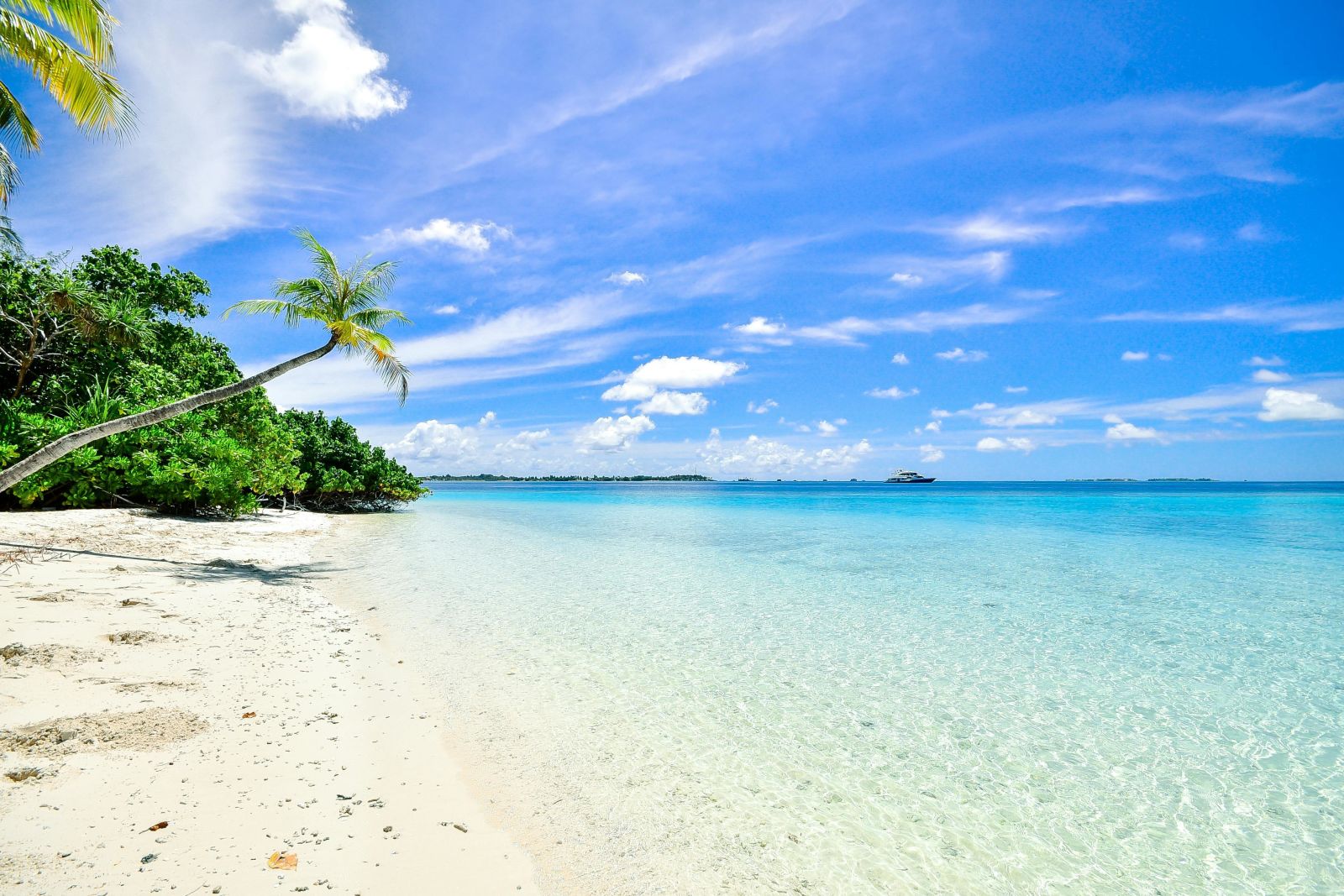
Skip Santorini and Mykonos. These quieter Greek islands offer slower days, wild landscapes, and the kind of Greece travelers imagine before mass tourism arrived. Think empty beaches in high season, ferry rides that still feel like an adventure, and villages where dinner lasts as long as the sunset. For travelers craving authenticity, nature, and breathing room, these underrated islands are where Greece still feels untouched.
These are the Greek islands where life still follows the tide, not the crowd. Each one offers a different take on Greece, without the rush:
Amorgos is not a typical Cycladic island, and that is exactly the point. Instead of wide sandy beaches, the island offers dramatic cliffs, deep ravines, and sweeping sea views that feel almost cinematic.
It is a favorite for hikers, divers, and travelers who enjoy movement as much as stillness. Agia Anna Beach is one of the island’s most iconic spots, while Chora, the island’s hilltop village, feels preserved in time, quiet, whitewashed, and unhurried.
How to get there: Ferry from Athens (Piraeus) or nearby Cyclades islands like Naxos and Santorini. Arrivals are typically via Katapola or Aegiali.
Lefkada, Kefalonia offers some of the most dramatic coastline in Greece with far fewer crowds.
Myrtos Beach, framed by towering limestone cliffs, is regularly cited as one of the most beautiful beaches in the country. For something more secluded, Dafnoudi Beach near Fiskardo is reached by a short walk through greenery and rewards visitors with crystal-clear water and near silence.
How to get there: Kefalonia has an international airport with seasonal flights, or you can arrive by ferry from mainland Greece or Lefkada.
Just off the coast of Lefkada, Meganisi feels like a different world entirely. It is ideal for travelers who dream of small coves, calm water, and days structured around swimming and long lunches.
Many visitors arrive by boat for a day trip, but staying overnight allows you to experience the island’s slower rhythm. Vathi, the main harbor, is a perfect place to dock, order grilled octopus, and let the afternoon drift by.
How to get there: Travel to Lefkada, which is connected to the mainland by bridge, then continue by small ferry or taxi boat.
If you are looking for an island that feels truly removed from the mainstream, Anafi is one of Greece’s quietest options. Located east of Santorini, it could not feel more different.
There are no beach clubs or large resorts here. Instead, you will find wild beaches, open landscapes, and a pace that invites genuine rest. Roukounas Beach is long, natural, and often nearly empty, while Anafi’s Chora offers sweeping sunset views without the crowds.
For hikers, the Kalamos monolith, one of the tallest in Europe, is a standout experience.
How to get there: Ferry from Athens or Santorini. Connections are limited, so flexibility is helpful.
Antiparos is the quieter, more understated sibling of Paros. Small, elegant, and relaxed, it attracts travelers looking for charm rather than spectacle.
There are boutique hotels, low-key tavernas, and beaches that remain peaceful even in high season. Faneromeni Bay, reached by a dirt road, often feels like a private escape.
How to get there: Fly or ferry to Paros, then take a short local ferry from Pounta. The crossing takes about 10 minutes.
If Santorini appeals to you visually but feels overwhelming in practice, Karpathos may be the alternative you are looking for. The island is dramatic, authentic, and still relatively uncrowded.
Olympos village, perched high above the sea, preserves traditional customs and architecture, while Lefkos offers turquoise water and natural beaches. Pigadia, the capital, provides a gentle mix of restaurants, harbor walks, and relaxed nightlife.
How to get there: Domestic flight via Athens, or ferry from Crete or Rhodes.
Gavdos is for travelers who truly want to unplug. As the southernmost inhabited island in Europe, set in the Libyan Sea, this tiny Greek island moves at its own pace. Expect vast, untamed beaches, very few roads, deep silence, and night skies so clear they feel endless.
The atmosphere here is relaxed and free-spirited, with a distinctly hippy vibe. Many visitors sleep directly on the beach, especially at Agios Ioannis, surrounded by dunes and crystal-clear water and yes, it’s allowed. For an even more remote experience, Tripiti delivers a powerful end-of-the-world feeling, where Europe quite literally runs out.
If you prefer a real bed, Metochi is the place to stay. Accommodations are simple, prices are fair, and the home-style cooking is a highlight in itself.
How to get there: Fly to Chania (Crete), take a bus to Sfakia, then continue by ferry, weather permitting.
Small, simple, and deeply loved by Greeks, Koufonisia is an island where days fall into an easy rhythm of swimming, eating, and watching the sun set.
The island is split between Pano Koufonissi, which has the main village and tavernas, and Kato Koufonissi, a nearly uninhabited stretch of beaches and walking paths. It is a place where watches are optional.
How to get there: Ferry from Athens or via Naxos, which serves as a major Cyclades hub.
If you want a quieter Greece in 2026, flexibility is key. Smaller islands often mean fewer ferries, limited accommodation, and slower pacing, which is part of their appeal. Traveling in May, June, September, or early October offers warm water, fewer crowds, and better availability. Move lightly, plan connections carefully, and leave room for the unexpected. That is where these islands shine.
The reward is a version of Greece that still feels personal, unpolished, and deeply memorable. Not rushed, not overrun, just waiting for travelers willing to slow down and meet it on its own terms.
What are the least crowded Greek islands to visit in 2026?
Amorgos, Anafi, Meganisi, Koufonisia, and Karpathos are among the least crowded, especially compared to Santorini or Mykonos.
Are these Greek islands easy to reach from the United States?
Most travelers fly to Athens and continue by domestic flight or ferry. Some islands, like Kefalonia and Karpathos, have airports, while others require ferry connections.
How long should Americans plan for a Greek island trip?
Ten to fourteen days allows time for international flights, island transfers, and a relaxed pace without rushing.
Are these islands good for first-time visitors to Greece?
Yes. Antiparos and Kefalonia are especially approachable, while Anafi and Amorgos suit travelers comfortable with slower, less structured travel.
When is the best time to visit quieter Greek islands?
May, June, September, and early October offer warm weather, fewer crowds, and better value.
Are these islands cheaper than Santorini or Mykonos?
Generally yes. While prices rise in summer everywhere, these islands tend to offer better value and fewer luxury markups.
Do I need a car on these islands?
Often yes, especially on larger or more rugged islands like Karpathos, Kefalonia, and Amorgos.
Is English widely spoken?
Yes. English is commonly spoken in hotels, restaurants, and ferry ports, though learning basic Greek is always appreciated.