We use cookies to enhance your browsing experience, serve personalized content, and analyze our traffic. By clicking "Accept All" you accept this and consent that we share this information with third parties and that your data may be processed in the USA. For more information, please read our .
You can adjust your preferences at any time. If you deny, we will use only the essential cookies and unfortunately, you will not receive any personalized content.

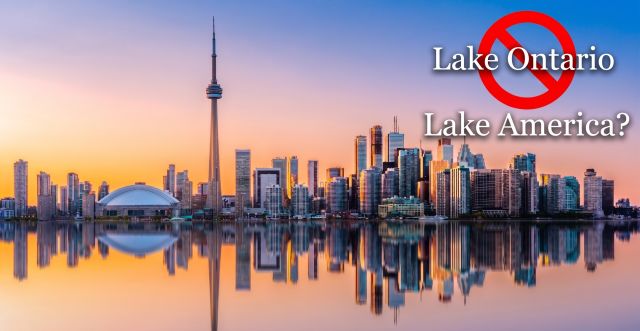
President Trump floated renaming Lake Ontario "Lake America" this week amid rising trade tensions with Canada. Whatever the lake ends up being called, it's still one of the most underrated waterfront destinations in North America. We've been meaning to talk about Lake Ontario anyway, so let's use the headline as an excuse. Here's why it deserves a spot on your radar regardless of what's printed on the map.
Smallest of the five Great Lakes by surface area, but still bigger than the state of Delaware
Borders New York State on the US side and Ontario, Canada on the other
Toronto sits on the lake's northwestern shore, about a 90-minute flight from most East Coast US cities
Niagara Falls feeds into Lake Ontario from Lake Erie via the Niagara River
The lake never fully freezes over, thanks to its depth and the warming effect of nearby Lake Erie's outflow
Rochester and Toronto are the two biggest cities on its shores
The Thousand Islands region sits at its eastern edge, where the lake drains into the St. Lawrence River
In a Truth Social post, Trump said the US was "giving serious consideration" to renaming Lake Ontario "Lake America," tying the idea to strained trade relations with Canada. It's not his first rodeo with lake and gulf names. He previously signed an order renaming the Gulf of Mexico the "Gulf of America" during his first days back in office, a change US agencies adopted while most of the rest of the world kept calling it what it's always been called.
Source: Donald J. Trump (@realDonaldTrump) via Truth Social, August 25, 2026
Names aside, Lake Ontario isn't going anywhere, and neither is its appeal. The smallest of the Great Lakes is easy to overlook next to Lake Superior's scale or Lake Michigan's famous beaches, but that's part of what makes it so interesting. Its shoreline stretches between two countries and connects some very different kinds of trips, from big-city weekends in Toronto to quiet New York lake towns, vineyards, historic forts, beaches, and boat trips near the mouth of the St. Lawrence River. So while the proposed name change is what put Lake Ontario in the headlines this week, the lake itself is a much better reason to keep reading. Here's where it is, what surrounds it, and why it might be worth building a trip around.
Lake Ontario sits at the eastern end of the Great Lakes chain, wedged between upstate New York and the Canadian province of Ontario. It’s fed by the Niagara River on its western end, which means anyone road-tripping to Niagara Falls is already halfway to a proper lake vacation. From there, the lake stretches roughly 190 miles east toward the St. Lawrence River, with a mix of big-city waterfronts, sandy beaches, small harbor towns, and surprisingly good wine country along the way.
On the US side, cities like Rochester and Oswego offer easy lake access without the crowds you’ll find at some of the better-known Great Lakes destinations. Rochester has beaches and parks right on the water, while farther east, historic towns and state parks make it easy to turn the shoreline into a longer road trip.
Cross to the Canadian side and you land in Toronto, Canada’s biggest city and one with a genuinely great waterfront scene. But Toronto is only part of the appeal. West of the city, the lake leads toward Niagara-on-the-Lake and one of Canada’s best-known wine regions, while Prince Edward County on the northeastern shore has become a favorite for wineries, beaches, farm-to-table restaurants, and relaxed weekend escapes.
And if you keep following the lake east, you eventually reach the Thousand Islands and the beginning of the St. Lawrence River, making Lake Ontario especially good for travelers who want to combine a lake trip with cities, food, wine, and a scenic road trip rather than spend the entire vacation in one resort town.
The Finger Lakes wine region is an easy detour south of Lake Ontario's US shoreline and has become a real contender for anyone who loves a good tasting room but doesn't want to fly to Napa. Around the lake itself, you can easily build a trip around sailing, beaches, historic forts, lighthouses, and some seriously pretty waterfront towns.
Taste your way through the Finger Lakes: Wineries are spread around lakes like Seneca, Cayuga, and Keuka, with Riesling being one of the region's specialties. It's an easy add-on if you're road-tripping through upstate New York.
Go lighthouse-hopping: Lake Ontario's shoreline is dotted with historic lighthouses, including the Selkirk Lighthouse near Pulaski. Fort Niagara, sitting where the Niagara River meets the lake, is another photogenic stop with more than 300 years of history behind it.
Get out on the water: Sailing and fishing are huge here, and summer brings plenty of opportunities for kayaking, paddleboarding, and beach days along both the New York and Canadian shores.
Spend a day in the Thousand Islands: At Lake Ontario's eastern edge, the water narrows into the St. Lawrence River and breaks into more than 1,800 islands. Boat tours weave between tiny wooded islands, waterfront cottages, and elaborate estates, including Boldt Castle and Singer Castle. It's easily one of the most memorable stretches of the entire lake.
Whatever's happening in trade negotiations, Toronto remains one of the most walkable, food-obsessed, culturally diverse cities in North America, and it's right on Lake Ontario's shore. The Toronto Islands are a short ferry ride from downtown and give you sweeping skyline views, bike paths, picnic spots, and actual beaches, which isn't something most people associate with a Great Lake.
Back on the mainland, the city's waterfront trail stretches for miles, connecting parks, marinas, neighborhoods, and cultural stops that make for an easy afternoon without a car. You can wander through the Harbourfront area, grab something to eat along the water, or keep going toward beaches and green spaces farther east. Toronto is also one of those cities where the lake never feels separate from the trip. It is part of the skyline, the ferry rides, the parks, and the way the city opens up once you get down to the waterfront.
A Lake Ontario trip pairs naturally with Niagara Falls, so most travelers build a loop that hits both. Give yourself at least four or five days if you want time for wine country, the Thousand Islands, and a proper stretch in Toronto. If you can spare a full week, even better. That gives you room to slow down, spend a night or two along the lake, and make stops that would otherwise feel rushed.
Late summer and early fall are the sweet spot, with warm water, mellow crowds, and the Finger Lakes harvest just getting underway. September is especially appealing if you want comfortable sightseeing weather without peak-summer crowds, while October brings fall color across upstate New York and southern Ontario. A car makes the US side much easier to explore, but once you reach Toronto, you can comfortably park it and get around by transit, ferry, or on foot.
Whatever the lake winds up being called on paper, the version worth visiting hasn't changed. Fresh water, good wine, small towns, and one seriously underrated city on its northern shore are still exactly what you'll find there. Political headlines come and go, but a good lake trip is timeless. Lake Ontario earns its spot on a Great Lakes itinerary with or without a rebrand.
Yes, it's the smallest of the five Great Lakes by surface area, though it's still larger than the state of Delaware.
Rochester and Oswego, New York are the largest US cities directly on the lake.
Yes, Toronto sits on the lake's northwestern shore and has a well-developed waterfront and island system just offshore.
Yes, especially at Toronto's island beaches and along the New York shoreline in summer, though water temperatures stay on the cool side even in August.
Niagara Falls feeds directly into Lake Ontario via the Niagara River, so the falls are only about a 30-minute drive from the lake's western shore.
It's a cluster of small islands where Lake Ontario narrows into the St. Lawrence River, known for boat tours and historic estates like Boldt Castle.
No, this would be the first time, though President Trump previously renamed the Gulf of Mexico the "Gulf of America" in a similar move.
Late August through early October offers warm water, fewer crowds, and the start of Finger Lakes wine harvest season.