We use cookies to enhance your browsing experience, serve personalized content, and analyze our traffic. By clicking "Accept All" you accept this and consent that we share this information with third parties and that your data may be processed in the USA. For more information, please read our .
You can adjust your preferences at any time. If you deny, we will use only the essential cookies and unfortunately, you will not receive any personalized content.

TSA workers are getting paid. President Trump signed an executive order on Friday directing federal officials to ensure Transportation Security Administration employees receive compensation during the ongoing DHS shutdown. Trump described the situation as an "emergency," and the order comes as callout rates at major airports have hit record highs and hundreds of officers have quit since the shutdown began.
The executive order tells the Department of Homeland Security to work with budget officials to find a way to pay TSA employees for the weeks they’ve been working without a paycheck. It doesn’t end the shutdown or fully fund DHS, but it does mean those missed paychecks should finally start coming through.
For many workers, though, that relief is coming too late. More than 510 TSA officers have already left during the shutdown, and back pay alone probably isn’t enough to bring them back.
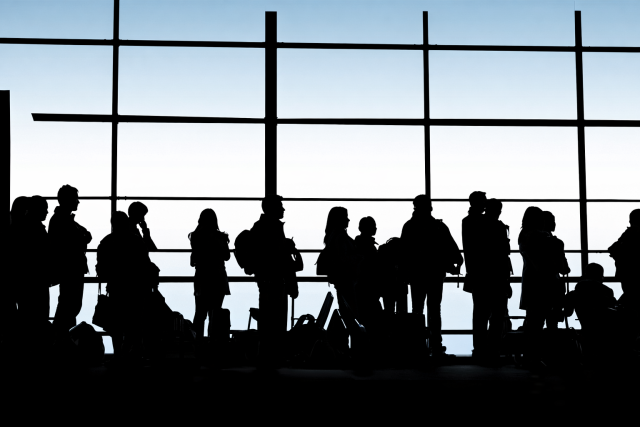
The timing matters. TSA callouts hit their highest level of the shutdown on Thursday, with 11.83% of officers nationwide not showing up, more than 3,450 people. At some of the hardest-hit airports, including Houston IAH, Atlanta, and Baltimore-Washington, those numbers have been much higher, closer to 37% to 44%. The result has been what travelers are seeing on the ground: security lines that can shift from manageable to hours-long with very little warning.
The hope is that getting pay flowing again will bring those callout numbers down and help stabilize staffing, especially at the airports feeling it most. But it may not happen overnight. After weeks of working without pay, many officers have reason to be cautious about whether this actually turns into money in their accounts.
Trump's use of emergency powers to redirect funds is a temporary fix, not a resolution. For travelers, the practical situation hasn't changed yet. Staffing won't recover overnight even if callout rates improve immediately. If you're flying through a major hub in the coming days, especially Houston, Atlanta, Baltimore, JFK, or LaGuardia, plan for longer security waits and give yourself extra time.
Arrive earlier than usual. Two hours for domestic flights is the floor right now, and three hours is smarter at the airports with the worst staffing numbers. TSA PreCheck lanes are generally moving better than standard lanes, but they're not immune. Check the TSA app for wait times before you leave, and use mobile boarding passes to cut down on steps at the airport.
The executive order is a meaningful development, and it should help. But the security lines won't return to normal the moment it was signed. Give yourself time, check conditions before you go, and stay patient.
It directed the Secretary of Homeland Security to use available funds to pay TSA employees the compensation and benefits they would have received during the DHS shutdown. Trump described the situation as a national emergency.
No. The order ensures TSA workers get paid but doesn't restore full DHS funding or formally end the shutdown. A Senate bill addressing that has passed but still needs House approval.
Not immediately. The order should help reduce callout rates over time, but officers who have already quit aren't coming back automatically, and rebuilding staffing takes time.
At least 510 officers have quit since the DHS shutdown began. Thursday's national callout rate hit 11.83%, with more than 3,450 officers not showing up for work that day.
Houston IAH, Atlanta, Baltimore-Washington, JFK, Houston Hobby, New Orleans, Philadelphia, Phoenix, Pittsburgh, and LaGuardia have all reported significantly elevated callout rates.
Two hours minimum for domestic flights, and three hours if you're flying through one of the higher-impact airports. Check TSA wait times before you leave.
Yes. PreCheck lanes are generally better staffed during the disruption. If you don't have it, it's worth enrolling for future travel.