We use cookies to enhance your browsing experience, serve personalized content, and analyze our traffic. By clicking "Accept All" you accept this and consent that we share this information with third parties and that your data may be processed in the USA. For more information, please read our .
You can adjust your preferences at any time. If you deny, we will use only the essential cookies and unfortunately, you will not receive any personalized content.

Oil prices just dropped sharply, which sounds like good news if you’ve got a trip on the horizon. But before you assume cheaper flights are about to appear, there’s a catch: airfare doesn’t move like a stock ticker. Airlines price seats through algorithms that respond to demand, competition, and how many seats are left, not just whatever crude oil did this morning. So the question isn’t simply whether flights will get cheaper. It’s whether they’ll get cheaper in time for your trip. The answer depends entirely on when and where you’re flying, so here’s how to actually think through it.
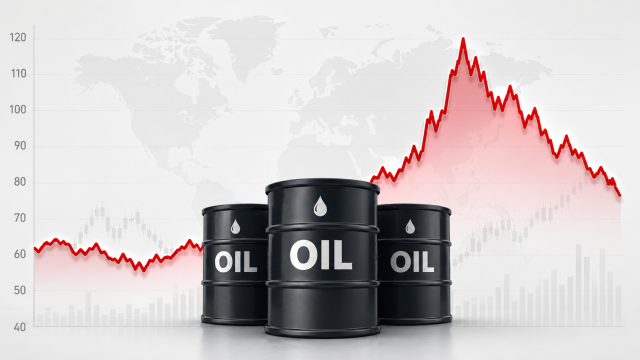
Oil is down more than 23% in the past month, with WTI crude falling to around $80/barrel on June 15 and Brent close behind at $84
Airfare hasn't caught up yet, since airlines lock in fuel costs months in advance, so fare drops lag oil by weeks
Summer flights: Buy now, since fares won't drop before your trip and seats are filling
Fall flights (Sept–Oct): You're in the ideal booking window, so set alerts and move when something good appears
International fares have the most room to fall but will reprice slower than domestic routes
Avoid basic economy, since a changeable fare lets you rebook if prices drop after you buy
Tuesday, Wednesday, and Saturday departures run 10–20% cheaper than peak-day flights
It makes sense at first. Oil prices drop, airline costs go down, and travelers assume cheaper flights are right around the corner. Unfortunately, airfare doesn’t work quite that neatly.
Airlines don’t price tickets the way gas stations price fuel. Flight prices are shaped by demand, seat availability, route competition, seasonality, and all the behind-the-scenes pricing systems airlines use to squeeze every last dollar out of a seat. Fuel matters, of course, but it’s not the only thing moving the number you see on Google Flights.
There’s also a lag. Many airlines locked in fuel costs months ago, which means today’s cheaper oil doesn’t immediately show up in today’s fares. Airlines are not going to rush to discount tickets while they’re still paying yesterday’s fuel prices. They’ll wait until the math changes enough to make it worth changing fares, and that usually takes weeks, not days.
So if you’re waiting for an instant airfare drop, you may be waiting yourself right into a worse price. Seats fill, demand shifts, and the fare you almost booked can quietly disappear while everyone else is also trying to outsmart the market.
This is the part most “when to book” advice gets wrong. There isn’t one perfect answer for everyone. It depends on whether your trip is next month, this fall, or further out.
If you’re flying this summer: Don’t wait. For June, July, and August trips, seats are already selling, demand is high, and airlines have already priced flights around the fuel costs they’re dealing with now. The oil price drop hasn’t had time to show up in fares yet, and summer is not exactly the season when airlines are desperate to discount seats. If you see a summer fare that works for your budget, grab it. Waiting two more weeks could easily mean paying more, not less.
If you’re flying in September or October: This is where things get more interesting. Fall is already one of the best windows for cheaper flights because the summer rush is over, kids are back in school, and demand usually drops after Labor Day. Add in lower oil prices slowly working their way through the system, and September or October travelers could be in a pretty good spot. Set fare alerts now, watch prices closely through July, and be ready to book when something good pops up. The goal is not to wait forever. It’s to be ready when the fare finally moves.
If you’re flying internationally this fall or winter: Keep a close eye on prices, but don’t get too passive. International flights can have more room to fall because long-haul routes are more sensitive to fuel costs. But they also tend to reprice more slowly, and airlines are not going to slash fares just because oil had a good week. If you’re looking at a fall or winter international trip, start tracking now, compare nearby airports, and prioritize flexible tickets when possible. When a strong fare appears, move on it.
Forget the old “book six weeks out” advice. That rule made more sense before airlines had real-time pricing systems and before oil prices started swinging around with every geopolitical headline.
In a normal year, domestic travelers often find the best fares a few months before departure, while international travelers usually need to book further out. But this is not a normal year. For summer travel, that window has mostly passed, which makes the advice pretty simple: if you see a fare that works, book it. For fall travel, you’re still in a much better position. September and October are close enough to start watching seriously, but far enough out that lower fuel costs could still work their way into fares.
The smartest move right now is not to wait blindly. It’s to book a good fare when you see one, ideally on a ticket you can change if prices drop later. That way, if oil keeps falling and airfare finally follows, you may still be able to rebook and grab the savings. That’s not overthinking it. That’s just how you shop flights in a messy market.
Skip basic economy if you can. Seriously.
In a normal airfare market, basic economy can be annoying. In a market where prices may shift over the next few weeks, it can actually cost you. The cheaper fare looks good upfront, but it usually comes with the least flexibility. If prices drop after you book, a standard economy ticket may let you rebook and keep the difference as a credit, depending on the airline. Basic economy usually gives you far fewer options.
That matters right now. If oil prices keep falling and airfare starts adjusting later this summer or early fall, travelers with changeable tickets may be able to take advantage of the drop. Travelers locked into basic economy may just have to sit there and watch the better fare appear after they already paid.
Set fare alerts on Google Flights for every route you’re seriously considering. Not just your dream dates, but a few nearby options too. Alerts only help if they’re already running when the price moves.
If you’ve already booked summer flights, check whether your ticket is changeable. If you haven’t booked fall travel yet, start looking now. Tuesday, Wednesday, and Saturday departures are often cheaper than peak travel days, and midweek international flights can be especially good for shaving down the total.
That detail won’t matter as much as getting the timing right, but once you find a good fare, it helps to be flexible. The oil price drop is real, but airfare relief won’t arrive everywhere at once. The travelers most likely to benefit are the ones watching now, not the ones waiting for the headlines to tell them it’s time.
Not automatically, and not immediately. Airlines lock in fuel costs months in advance through hedging contracts, so a drop in oil prices takes weeks to work through to actual ticket prices. The drop is coming, but it's just not here yet.
Buy now for summer travel. Fares haven't dropped yet, seats are filling, and summer demand keeps prices elevated regardless of oil. Waiting carries more risk than reward for June through August flights.
You're in the window. September and October fares are best purchased around three to four months out, which is right now for fall travel. Set alerts and move when something looks right. Don't wait for the "perfect" moment.
Standard or flexible economy, not basic economy. The ability to rebook if fares drop is worth the small price difference, especially right now when the market is actively shifting.
Keep your Google Flights alert running even after you book. If the fare drops significantly, check whether your airline allows a free rebooking or credit. Most major US carriers do on standard economy tickets.
International fares have further to fall since they rose more sharply. But they also take longer to reprice. Domestic routes will adjust first; international relief will come a few weeks behind.
It has a real chance to be the best value travel window in years. Seasonal demand drops naturally, and if oil prices continue falling through summer, the two forces could combine. Fall travelers may end up being the biggest winners of the whole situation.