We use cookies to enhance your browsing experience, serve personalized content, and analyze our traffic. By clicking "Accept All" you accept this and consent that we share this information with third parties and that your data may be processed in the USA. For more information, please read our .
You can adjust your preferences at any time. If you deny, we will use only the essential cookies and unfortunately, you will not receive any personalized content.

A small Greek island with fewer than 50 residents is offering housing and monthly financial support to attract newcomers, and it has captured global attention for good reason. Antikythera, located between Crete and the Peloponnese, is working to rebuild its population by welcoming new households willing to settle long term.
The initiative is primarily designed for families, particularly larger households and applicants with practical skills that support community life. The setting offers clear water, quiet surroundings, and close social connection, while relocation also involves logistical considerations that deserve thoughtful planning. Here is what is known, what remains in development, and what prospective applicants should understand before imagining the move.
Many relocation stories focus on lifestyle upgrades or financial perks, but this one is rooted in something more personal. Antikythera is not trying to attract short-term visitors. The island is working to rebuild a lasting community.
Located in the Aegean Sea and covering less than eight square miles, Antikythera has only a few dozen year-round residents today. Several decades ago the population was closer to 300, but migration toward cities gradually reshaped daily life, shrinking school enrollment and local commerce. In response, community leaders, together with the Greek Orthodox Church of Kythera, created an initiative inviting new households to settle permanently and contribute to the island’s future.
At the same time, interest in relocation abroad continues to grow, with many people searching for ways to move to Greece, live overseas, or find affordable places to raise a family.
Reports describing the initiative outline a package that may include:
Housing provided or newly built for selected participants
A monthly stipend of about €500 (approximately $540 USD) per household
Payments continuing for up to three years
A total financial value of roughly $18,000 to $20,000 USD
Possible access to land depending on background or role
Basic provisions mentioned in some program descriptions
The selection process is focused on households that can contribute to long-term community life, with priority given to:
Families with multiple children
Applicants with practical trades or useful skills
Individuals prepared to integrate into everyday island routines
Interest in the program has been global, but as of early 2026 the homes are still under construction and relocations have not yet begun, so timelines remain uncertain. Sharing this context helps set realistic expectations and ensures readers see the opportunity as it currently stands rather than through the lens of viral headlines.
While the headline attracts a wide audience, the initiative itself is really centered on the future of the community. Local leaders have spoken about wanting to hear children’s voices in the village again and keeping schools, services, and daily life sustainable over time.
Families bring a kind of stability that short-term residents rarely can. They support local businesses, participate in community routines, and help traditions carry forward. For parents exploring relocation options, that focus can be especially meaningful because it connects to questions about pace of life, environment, and belonging.
Children raised in this setting grow up close to the coast, surrounded by open landscapes, and interacting within smaller social circles than those found in cities. It may not suit every household, but for some it represents a compelling alternative built around simplicity and connection.
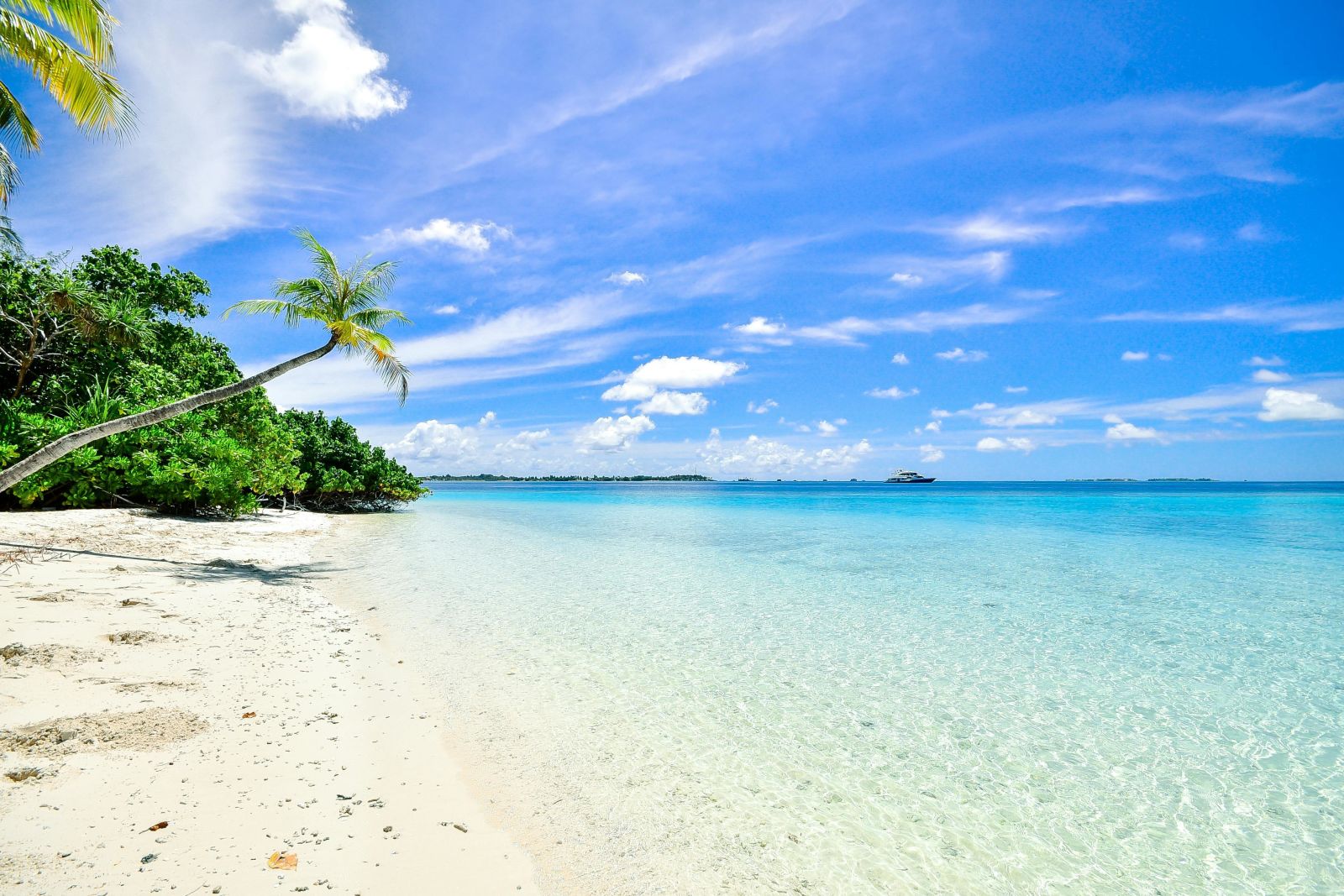
Antikythera looks much like what people picture when they imagine Greece: clear blue water, whitewashed buildings, and rugged hills that invite exploration. Daily life unfolds close to swimming coves, walking trails, and open landscapes where falcons circle overhead and goats move through the hills.
Living here also means embracing a slower rhythm. Shops and services are limited, transportation depends on ferry schedules, and hospital care or specialized schooling requires travel to nearby islands. Weather can affect crossings, and trips may take several hours.
For families drawn to quiet surroundings and close community ties, those tradeoffs can feel worthwhile. Beauty and practicality exist side by side, shaping a daily life that is simple, connected, and intentional.
If you are wondering whether this opportunity could actually be possible, you are not alone. Interest has come from around the world. While there is no simple online application portal, there are ways to begin exploring the process.
The initiative is coordinated locally through community authorities and the Greek Orthodox Church of Kythera. Because housing construction is still underway, timelines and eligibility requirements continue to evolve. Direct contact with local officials remains the best way to receive current information.
Families curious about the opportunity can begin by:
Contacting Kythera municipal or tourism offices to ask about program updates
Preparing a short description of their household, skills, or professional background
Being open to follow-up conversations or interviews as the process develops
For application details, prospective applicants may contact the Kythira Department of Tourism at +30 273 603 1213. Office hours are weekdays from 8:00 a.m. to 12:00 p.m. A contact form is also available through the department’s official website.
With housing still underway, this stage is less about immediate relocation and more about discovery. Families can use this time to gather information, reflect on lifestyle priorities, and consider whether this kind of setting feels right for them.
Relocation incentives like this are becoming more common as smaller communities around the world face population decline. As younger generations move to cities, rural areas are searching for ways to sustain schools, services, and everyday life.
Antikythera’s initiative is part of that broader shift. Similar programs in Italy, Spain, and Japan reflect a growing effort to attract long-term residents rather than short-term visitors. Seen in that context, this is less a novelty and more a practical response to a global trend: communities looking for new ways to grow and welcome families again
Is this opportunity open to anyone?
Priority is given to families and applicants whose skills contribute to community sustainability.
Can you apply immediately?
The initiative is ongoing, but housing construction delays mean placements have not begun.
Is this run by the Greek government?
The program is coordinated locally through community and church leadership.
What kind of work is useful on the island?
Trades supporting infrastructure, food supply, or services are especially valued.
Are similar relocation initiatives available elsewhere?
Yes, comparable programs exist internationally in areas addressing population decline.