We use cookies to enhance your browsing experience, serve personalized content, and analyze our traffic. By clicking "Accept All" you accept this and consent that we share this information with third parties and that your data may be processed in the USA. For more information, please read our .
You can adjust your preferences at any time. If you deny, we will use only the essential cookies and unfortunately, you will not receive any personalized content.

Selling the house to sail around the world sounds like the ultimate retirement plan, right up until the ship docks in Cambodia and asks everyone to leave. That's what happened to about 200 residents of the Villa Vie Odyssey, a residential cruise ship marketed as a never-ending voyage, when its operator suspended operations in late October, citing soaring fuel costs and financial difficulties. Paul and Lynn Montoya of Laramie, Wyoming, had paid $179,000 for a lifetime cabin. They were given just seven hours to pack up and leave. Suddenly, the couple who had planned to spend their retirement exploring the world had nowhere to call home.
About 200 residents left the ship in Sihanoukville, Cambodia, along with their pets and whatever they could carry.
Residents got seven hours to pack after operator Villa Vie Residences suspended operations.
Fuel was the breaking point, with the company saying monthly fuel costs per cabin jumped from about $1,800 to as much as $8,000.
The Montoyas paid $179,000 for their cabin, plus about $6,000 a month in fees, and lived aboard for 17 months.
Another couple says they spent about $1 million, expecting at least 15 years at sea.
No refunds have been announced, and the company says it's trying to restructure and raise new money.
The ship is in a "warm layup", meaning it's out of service but kept ready to sail again.
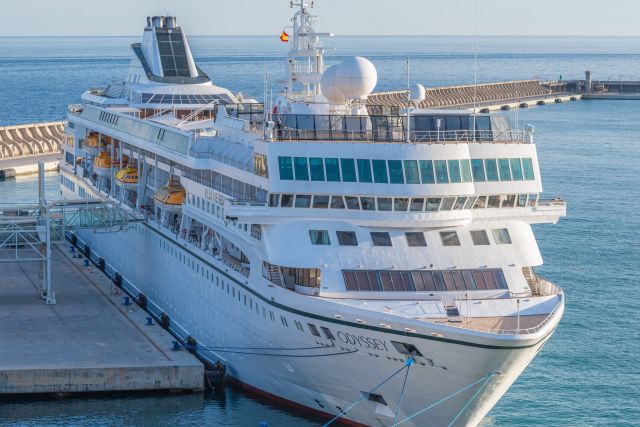
The Villa Vie Odyssey entered a temporary layup in Sihanoukville after its operator said it couldn't secure fuel.
Villa Vie Residences sold the Odyssey as a home that happened to float. Residents bought cabins outright or for set periods, paid monthly fees for meals, housekeeping and laundry, and followed a continuous route around the world that was supposed to keep going into 2027. Some, like the Montoyas, sold nearly everything they owned to make it work.
That ended in late October, when CEO Kathy Villalba told guests the company was "unable to secure the fuel necessary to continue operations." The ship went into what Villa Vie called a temporary layup in Sihanoukville, Cambodia's main port. Cambodian officials said it arrived with 203 guests and 156 crew. Residents were given seven hours to pack and could take pets and whatever they could carry.
The exit itself was rough. Randy Cassingham, who boarded with his wife Kit in Belfast in October 2024, told reporters shuttle buses dropped residents in central Sihanoukville with no hotel list and no help paying for rooms. He said it was "horribly, horribly wrong" not to warn people earlier, when they could have stepped off in Thailand.
Paul Montoya, 68, and Lynn Montoya, 64, sold their home and cars in Laramie, Wyoming, to buy a $179,000 cabin with lifetime rights. Monthly fees ran about $6,000, or $72,000 a year. Lynn told the Daily Mail they've spent about $450,000 in total, and the couple documented the trip on their YouTube channel, Lynn and Paul's Excellent Adventure.
They'd barely traveled outside the US before boarding, which is exactly why the ship appealed to them. Paul told Reuters they don't expect to get any money back. Lynn said that losing the money is hard, but they'd had 17 months of amazing places and people, and they'll miss the community on board more than the cash.
For now, they're doing what any traveler with a sudden gap in the itinerary does. They checked into the Independence Hotel in Sihanoukville for about $60 a night with other stranded residents, then planned a stop in Phnom Penh and a flight to Kuala Lumpur for 10 days or more. They plan to live on the money they'd set aside for the monthly fees.
Villa Vie marketed the Odyssey as an affordable way to live at sea on a continuous world voyage.
The company blames fuel. Villa Vie says monthly fuel costs per cabin climbed from about $1,800 to an estimated $6,000 to $8,000 in parts of Asia, and it chose not to pass that on to residents. Paul Montoya said fuel went from roughly $700 to $800 per metric ton to about $2,000, and he'd seen a report putting monthly expenses near $3.2 million against about $700,000 in revenue.
Residents say the cracks showed earlier. Here's what they noticed in the months before Cambodia:
Upfront deals that cut future income. Programs called Golden Passport and Endless Horizon let residents pay a lump sum to skip maintenance fees, and Lynn found some neighbors paying as little as $500 a month.
Requests for loans. In April, the company asked 22 residents for a combined $2.2 million loan, then asked for $1.5 million and another $360,000. The Montoyas say promised interest payments never came.
Repeated asks for more money. Resident Barbara Figiel said people were asked to chip in again and again over four months.
Slipping service. Paul said food quality dropped about three months before the shutdown, and the company had trouble paying the crew.
None of that is unusual on its own for a small startup, which is what makes it tricky. A single loan request might be a blip, but a pattern of them, paired with cheaper deals for new buyers, is the kind of thing worth taking seriously when your house is on the line.
Not yet, and nobody knows for sure. Villa Vie said it's trying to restructure and recapitalize, but no deals had been finalized and it said the outcome isn't assured. It also said it's working with residents on disembarkation and temporary housing, though residents dispute how much help they've actually gotten.
The Odyssey is in a warm layup, meaning it's out of commercial service but kept close to ready. The company had also planned a second residential ship for early 2029. Some residents, including Cassingham and the Montoyas, say they'd go back if it sails again. Cassingham called the trip, money aside, a fantastic adventure.
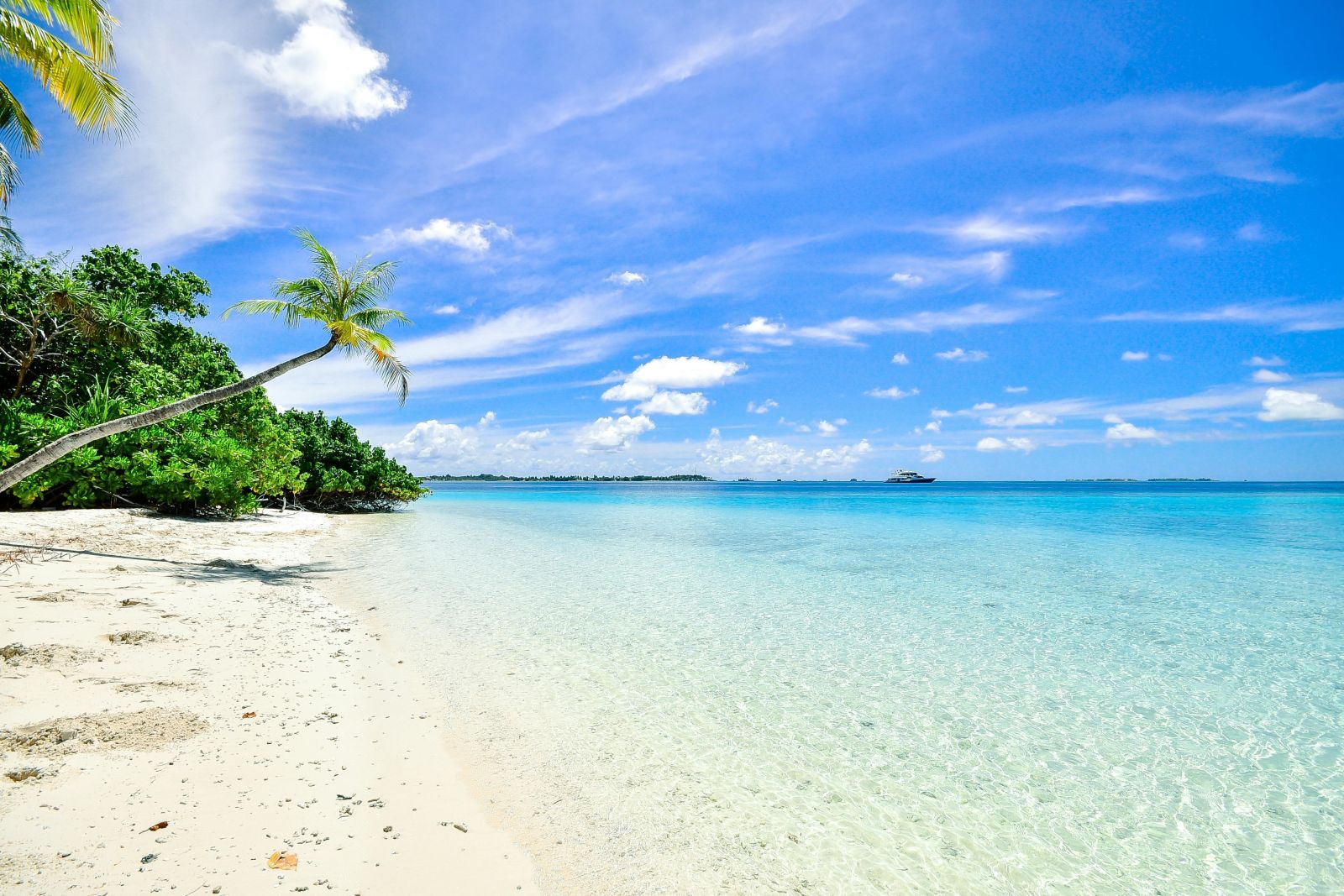
Residential cruises promise years of views like this, so it's worth checking the finances before you sign.
The good news is that living at sea isn't a scam by definition, and plenty of residents say they'd do it again. But a residential cruise is closer to buying property from a startup than booking a vacation, so it's worth doing the homework you'd do for a condo.
Keep a landing pad. Hold onto enough savings, or even a small rental, to cover a sudden move home.
Know who's behind it. Look for years of operating history and audited finances, not just glossy cabin tours.
Watch the fee math. If new buyers get no-fee deals while costs are rising, ask how the company covers the gap.
Treat loan requests as a red flag. A company that needs residents' money to buy fuel is telling you something.
Check what your travel insurance covers. Many policies exclude a supplier's financial failure unless you buy specific coverage.
Pay by credit card where you can. It can give you dispute rights that a wire transfer won't.
For some former Odyssey residents, the dream of living at sea isn't over yet.
The Montoyas aren't giving up on seeing the world, and honestly, that might be the most reassuring part of this story. They lost a lot of money, but not the itch that got them on board, and they're already planning Malaysia. If the Odyssey sails again, at least a few of its old residents will be waiting at the pier. Probably with a backup plan this time.
Operator Villa Vie Residences suspended operations in late October 2026, saying it couldn't secure fuel. The ship went into a layup in Sihanoukville, Cambodia, and about 200 residents had to leave.
It's docked in Sihanoukville, Cambodia, in what the company calls a warm layup. That means it's out of service but kept close to ready to sail.
The Montoyas paid $179,000 for a lifetime cabin plus about $6,000 a month in fees. Another resident paid $120,000 for her cabin, and Randy Cassingham says he and his wife spent about $1 million.
No refunds have been announced. The company says it's trying to restructure and raise new money, but says the outcome isn't assured.
The company blames a sharp rise in fuel costs. Residents also point to discounted no-fee deals, repeated requests for loans and slipping service in the months before the shutdown.
Residents had seven hours to pack. They could take pets and whatever personal items they could carry.
It's not clear. Villa Vie hasn't announced a restart date, and its planned second ship was scheduled for early 2029.
It can be, but treat it like a property purchase. Check the operator's track record and finances, and keep enough savings to land somewhere if the ship stops.