We use cookies to enhance your browsing experience, serve personalized content, and analyze our traffic. By clicking "Accept All" you accept this and consent that we share this information with third parties and that your data may be processed in the USA. For more information, please read our .
You can adjust your preferences at any time. If you deny, we will use only the essential cookies and unfortunately, you will not receive any personalized content.

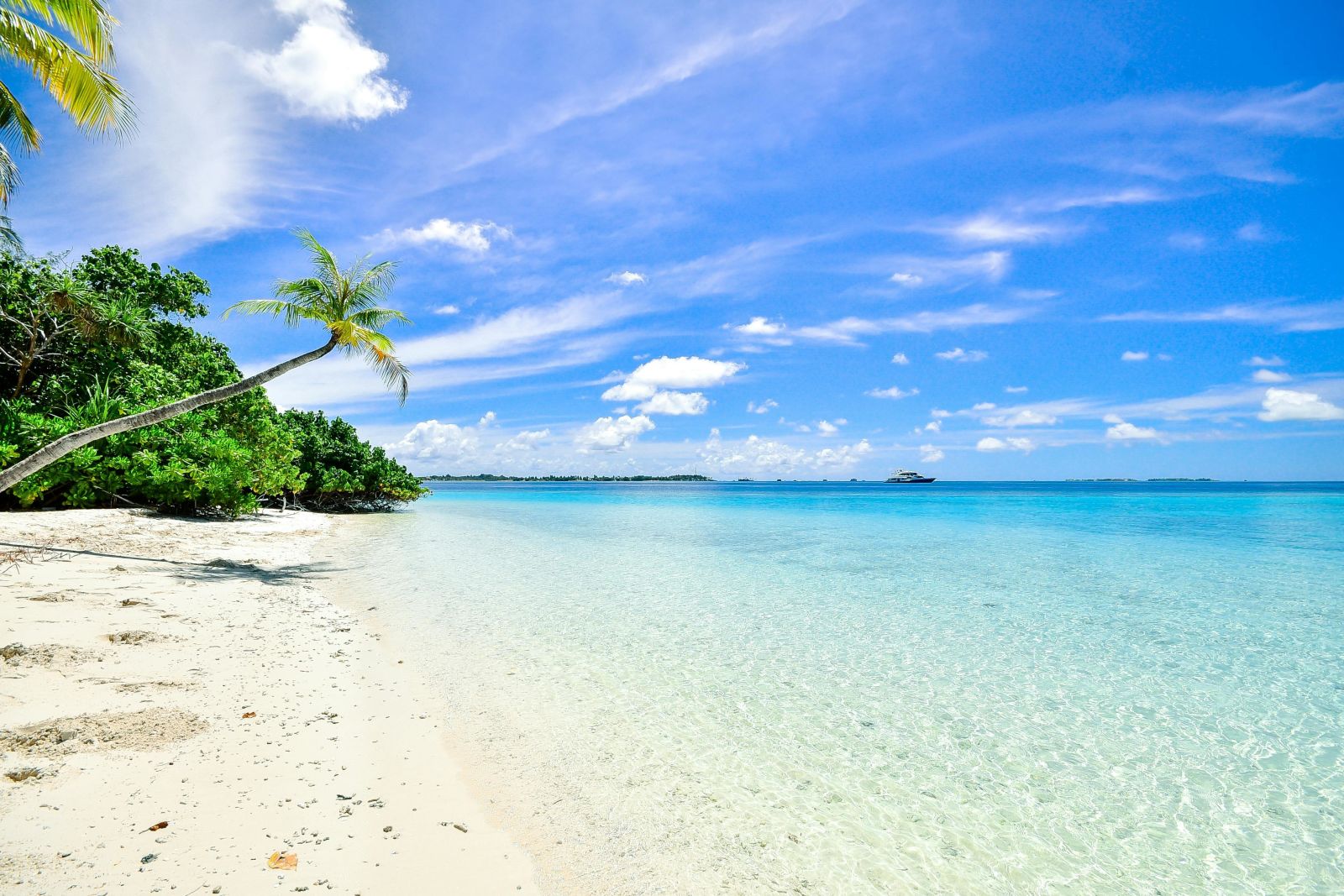
Sometimes the vacation fantasy is very simple: white sand, water so clear it looks fake, and the only real problem being how often you need to reapply sunscreen. No packed itineraries. No long explanations. Just beaches that stop you in your tracks.
From the wild edges of the Mediterranean to remote tropical corners of Southeast Asia (plus a few underrated surprises), these seven destinations are famous for one thing above all else: seriously crystal-clear water.
Not all clear water is created equal. Some places shine because of white limestone seabeds, others because of protected seagrass ecosystems or low coastal development. What these destinations share is visibility so good you can see your feet from the surface, colors that shift from pale turquoise to deep blue, and swimming conditions that feel almost unreal. Below are seven places where the water clarity is the main event, not just a bonus.
Tucked into the Ionian Sea and connected to mainland Greece by a small floating bridge, Lefkada delivers some of the most unreal blues in Europe. Beaches like Porto Katsiki and Egremni feel almost illuminated from below, with steep white cliffs plunging into electric-blue water.
The west coast is the star here, especially for swimming and photography, while Agios Ioannis draws wind and kite surfers thanks to steady coastal breezes. Legend even says the poet Sappho leapt from Lefkada’s cliffs for love. Dramatic island, dramatic water.
Zarzis is one of those places that somehow escaped the travel hype cycle. Sitting on Tunisia’s southeastern coast, this quiet peninsula offers calm, glass-clear Mediterranean water that feels almost untouched.
Visit in spring or early fall to avoid Sahara heat, wander the fishing port, and watch locals carry on traditions that haven’t changed much in decades. This is slow travel with unexpectedly beautiful swimming.
Sardinia is basically a country disguised as an island, but when it comes to water clarity, the Maddalena Archipelago and the Gulf of Orosei steal the show. Think pale turquoise coves, white stone beaches, and water cold enough to make it sparkle.
Renting a small boat to explore hidden calas like Cala Mariolu is practically mandatory. Fun fact: Sardinia is also one of the world’s Blue Zones, where people live unusually long lives. Correlation? Possibly the daily swims.
It’s not the ocean, but Bacalar absolutely belongs on this list. Known as the Lagoon of Seven Colors, this freshwater lagoon in southern Quintana Roo shifts from pale mint to deep navy depending on depth and light.
Visit between December and March for the clearest conditions, and kayak early in the morning when the water is mirror-still. It’s calm, surreal, and quietly magical.
Albania’s southern coast has become Europe’s favorite “how is this still affordable?” destination.Places like Ksamil and Himarë offer water so clear it regularly gets compared to the Maldives, without the long flight or luxury-price shock.
Island hopping near Ksamil and a visit to the Blue Eye spring make this a standout for travelers who love discovering places before everyone else does.
Often called one of the most beautiful islands in the world, Palawan is all limestone cliffs, hidden lagoons, and water so transparent it feels unreal. El Nido and Coron are famous for island-hopping routes that wind through jungle-covered karsts and coral-filled bays.
Don’t miss the Puerto Princesa Underground River, a UNESCO-listed natural wonder that flows straight into the sea.
Menorca is what happens when conservation actually works. Its southern calas, including Macarella and Cala Turqueta, are wrapped in pine trees and protected seagrass meadows that keep the water clean, oxygenated, and brilliantly clear.
Visit in June or September to avoid peak crowds, and walk sections of the Camí de Cavalls, a historic trail that loops the island and leads to some of its most secluded coves.
It’s not luck. Most of these destinations share a few things in common:
Limited industrial development
Strong coastal conservation policies
Natural underwater springs or seagrass ecosystems
Fewer large ports or heavy shipping traffic
Clear water is usually protected water.
If crystal-clear water is what makes a beach unforgettable for you, these destinations deliver in wildly different ways. Some are dramatic and cliff-lined, others calm and lagoon-like, but all of them share that moment where you look down and think, this can’t possibly be real. Sometimes the best travel memories really are that simple.
What makes water “crystal clear”?
Low pollution, sandy or rocky seabeds, minimal algae, and strong natural filtration like seagrass meadows.
Is clear water always warm?
Not necessarily. Some of the clearest water (like Sardinia or Lefkada) can be refreshingly cold due to underwater springs.
When is the best time to visit for clarity?
Late spring and early fall often offer the best balance of calm seas and fewer crowds.
Are these destinations family-friendly?
Yes, though places like Palawan and Albania are better for adventurous travelers, while Menorca and Lefkada work well for families.