We use cookies to enhance your browsing experience, serve personalized content, and analyze our traffic. By clicking "Accept All" you accept this and consent that we share this information with third parties and that your data may be processed in the USA. For more information, please read our .
You can adjust your preferences at any time. If you deny, we will use only the essential cookies and unfortunately, you will not receive any personalized content.

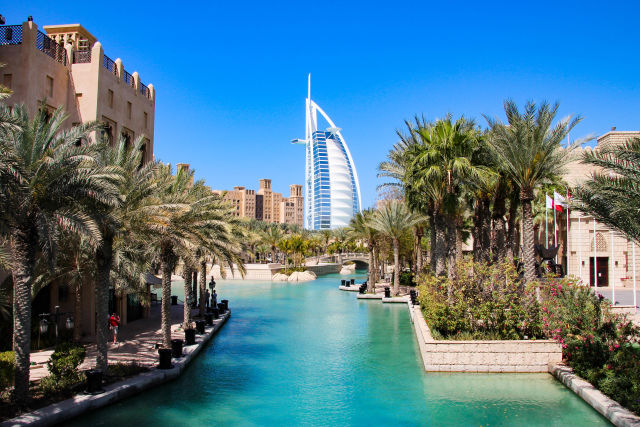
One of the most recognizable hotels in the world is about to go quiet for a while. The Burj Al Arab will close for an 18-month refurbishment. It’s being framed as a long-overdue update, but it’s happening at a moment when tourism to Dubai is starting to look a little different. Regional conflict and widespread flight disruptions are already putting visible pressure on tourism to the UAE.
Dubai’s sail-shaped landmark, the Burj Al Arab, is set to close for a major 18-month refurbishment, marking its first large-scale update since opening in 1999.
The renovation will be led by Paris-based interior architect Tristan Auer and carried out in phases, but according to staff reports, the hotel is expected to fully close during the process. Guests with existing bookings are being offered alternative accommodations at nearby properties.
Source: Screenshot from Burj Al Arab official website
On paper, it’s a long-overdue refresh for one of the world’s most recognizable hotels. In reality, the timing is hard to ignore.
The closure comes during a noticeable slowdown in tourism to Dubai, following months of regional instability and flight disruptions tied to the ongoing conflict involving Iran. Even before the renovation was announced, the shift was already showing up, with thousands of flights to and from the UAE canceled, major international airlines reducing or pausing routes, and tourism demand starting to soften, especially among international travelers.
The Burj Al Arab itself also sustained minor damage earlier this year from debris linked to intercepted drone activity. The hotel’s owners haven’t tied the refurbishment directly to that incident, but it adds context to what’s been a turbulent stretch for the region. Dubai has spent decades positioning itself as a stable, easy-to-reach global hub, and when that perception shifts, even slightly, it tends to show up quickly in how people travel.
For now, the closure doesn’t point to any kind of long-term decline for Dubai. The city has handled disruptions before and usually rebounds quickly. What it does reflect is something more immediate, a stretch where travel feels a bit less predictable than usual. Flight routes are shifting, availability is tighter in some cases, and pricing and demand may move around more than travelers are used to.
If you’re planning a trip, it’s not a reason to cancel. It’s more a reminder to stay flexible, keep an eye on current conditions, and be ready to adjust if needed.
The Burj Al Arab has always been one of the clearest symbols of Dubai’s global appeal. Its temporary closure doesn’t change that, but it does reflect a moment where travel to the region is shifting. For now, it’s less about what the hotel represents long term and more about what’s happening around it in real time.
The refurbishment is expected to take around 18 months, though timelines could shift.
Officially, it’s for a long-planned renovation. Unofficially, the timing coincides with a slowdown in tourism and regional disruptions.
There were reports of minor damage from debris earlier in 2026, though the renovation has not been directly linked to that incident.
Travel conditions can change quickly. It’s best to check current advisories and flight availability before booking.
Not directly, but broader tourism trends may impact pricing, availability, and demand across the city.
Access to the hotel itself will be restricted during the refurbishment, though surrounding areas and nearby beaches will remain open.
Guests with existing bookings are being offered alternative accommodations within the Jumeirah portfolio or the option to cancel.
There’s no exact reopening date yet, but the current timeline points to late 2027 if the 18-month schedule holds.