We use cookies to enhance your browsing experience, serve personalized content, and analyze our traffic. By clicking "Accept All" you accept this and consent that we share this information with third parties and that your data may be processed in the USA. For more information, please read our .
You can adjust your preferences at any time. If you deny, we will use only the essential cookies and unfortunately, you will not receive any personalized content.

Cyprus just got a very welcome travel update. As of June 1, 2026, the US State Department has moved Cyprus back down to Level 1, which is the lowest advisory level and means travelers should exercise normal precautions.
That’s a big shift for an island that spent months under a higher warning because of regional tensions in the Eastern Mediterranean and Middle East. Cyprus was never suddenly short on beaches, ancient ruins, mountain villages, or halloumi. What changed was traveler confidence. And now, with the US officially giving Cyprus the green light again, this Mediterranean island may be one of the more interesting summer trips to watch.
The US State Department moved Cyprus from Level 3 to Level 1 on June 1, 2026.
Level 1 means travelers should exercise normal precautions.
Cyprus had previously been under a higher advisory because of regional security concerns.
The UK also eased its guidance for Cyprus around the same time.
The US advisory still urges extra caution in the Turkish Cypriot-administered area in the north.
US citizens can visit the Republic of Cyprus for up to 90 days without a visa.
Americans should enter and exit through Larnaca or Paphos airports, or the seaports of Limassol, Larnaca, and Paphos.
Cyprus didn’t land on the higher advisory list because its main tourist areas suddenly became unsafe. It was more about the wider region. Earlier this year, tensions in the Eastern Mediterranean and Middle East made travelers nervous, and Cyprus got pulled into that uncertainty because of its location.
In early March, a drone struck a building in the British Sovereign Base Area in Cyprus, adding another layer of concern for travelers already watching the region closely. Even though Cyprus itself wasn’t a conflict zone, that kind of headline can quickly change how people book. When the US raised the advisory to Level 3, it sent a clear message: reconsider travel.
That kind of warning hits fast in places that depend on tourism. Hotels, airlines, restaurants, tour operators, and beach towns can all feel the impact when travelers cancel, reroute, or choose somewhere that feels easier. Cyprus reportedly saw a major drop in tourist traffic in early 2026, with some resort areas much quieter than normal.
But Cyprus didn’t stop being Cyprus. The beaches, archaeological sites, mountain villages, wineries, and seafood tavernas were still there. What changed was traveler confidence. Now that the advisory has been lowered again, Cyprus has a chance to bring visitors back before the summer season is gone.
The new Level 1 advisory puts Cyprus back in the State Department’s lowest travel-risk category. That means the US is telling travelers to exercise normal precautions, which is the same basic guidance you’d see for many popular international destinations.
In practical terms, this isn’t the kind of advisory that should make you rethink an entire trip. It means you should do the normal smart-traveler things: keep your passport secure, watch your belongings in busy areas, follow local rules, stay out of restricted zones, and check for updates before you go.
There are still a few Cyprus-specific details worth knowing. The US advisory continues to flag the Turkish Cypriot-administered area in the north with increased caution language, and the US Embassy in Nicosia has limited ability to help US citizens there. That doesn’t mean travelers can’t understand the island’s complicated history or visit responsibly, but it does mean Americans should pay attention to the official guidance.
You should also be careful about how you enter and exit the island. Americans are advised to use Larnaca or Paphos airports, or the seaports of Limassol, Larnaca, and Paphos. The Republic of Cyprus doesn’t recognize entry through Ercan Airport in the north as legal entry into Cyprus, and that can create problems if you later try to move through the Republic of Cyprus.
So yes, Cyprus is back at Level 1. Just keep the logistics simple, use the recognized entry points, and treat it like any other international trip where reading the fine print saves you from a headache later.
Image Source: Screenshot from Travel.State.Gov
Here’s where this gets interesting for deal hunters. When a destination gets hit by a higher travel warning, bookings can slow down fast. But when that warning is removed, demand usually doesn’t bounce back overnight. Travelers need time to notice the update, rethink their plans, compare prices, and actually book.
That lag can create a window.
Cyprus has reportedly been trying to win back last-minute travelers from key European markets, including Germany, Poland, and Scandinavia. Hotels that expected a stronger season may now be more motivated to fill rooms, especially in resort areas that saw softer demand earlier this year.
That doesn’t mean Cyprus is suddenly going to be cheap-cheap. It’s still a Mediterranean island in summer, and flights from the US require at least one connection. But compared with places that have been fully hyped and heavily booked all year, Cyprus may have more availability and more flexibility than usual.
For US travelers, the biggest catch is flights. There aren’t nonstop flights from the US to Cyprus, so you’ll need to connect through a major hub like London, Frankfurt, Istanbul, or another European city before continuing to Larnaca or Paphos.
That extra connection is annoying, but it can also work in your favor if you’re already planning a longer Europe trip. Cyprus is a strong add-on if you want beaches, history, and food without doing the exact same Mediterranean itinerary everyone else is posting on Instagram.
No judgment if your Cyprus plan is mostly beach, pool, repeat. That is a perfectly valid lifestyle choice. But Cyprus has a lot more going on than sunbeds.
Paphos is one of the island’s big cultural draws, especially if you like ancient history without having to fight through massive crowds. Kato Paphos Archaeological Park is known for its Roman mosaics, while the Tombs of the Kings is one of those places that reminds you the Mediterranean has been busy for a very, very long time.
If you want a break from the coastal heat, head into the Troodos Mountains. This is where you’ll find wine villages, hiking trails, monasteries, Byzantine churches, and the kind of winding roads that make renting a car feel like the right decision. You can swim in the morning, eat lunch in a mountain village, and be back near the coast by dinner.
Omodos is one of the classic village stops, especially for wine, cobblestone streets, and a slower afternoon. Cyprus is also known for Commandaria, one of the oldest wines in the world, which feels like exactly the kind of fun fact you should mention while drinking it.
Along the coast, each city has its own vacation personality. Ayia Napa is the party one. Larnaca is relaxed and easygoing. Limassol feels more like a real city, with a waterfront, marina restaurants, and a medieval castle. Paphos gives you beach access with a side of ancient ruins.
And then there’s the food: meze, halloumi, grilled octopus, souvlaki, fresh seafood, and brandy sour cocktails. Cyprus doesn’t have to try too hard, and honestly, that’s part of the appeal.
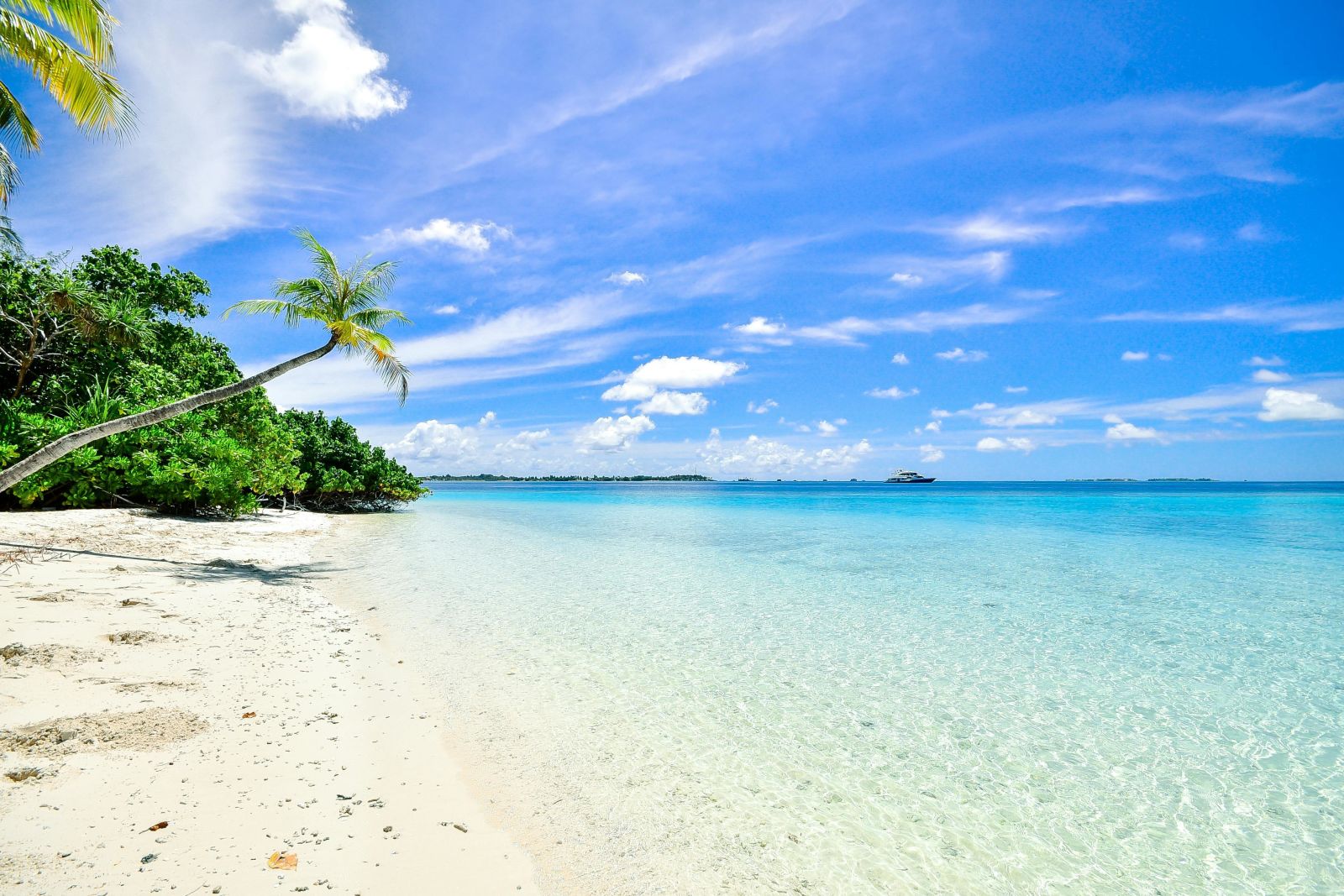
If you’re thinking about Cyprus this summer, the main thing is to compare the full trip cost, not just the hotel price. Flights from the US will require at least one connection, so check multiple routes and airports. Larnaca is usually the most common option, but Paphos can also make sense depending on where you’re staying.
A rental car is also worth considering. Cyprus drives on the left, which may take a minute if you’re used to driving in the US, but having a car gives you much more freedom. The beaches, mountain villages, wineries, and archaeological sites are much easier to explore when you’re not stuck relying on transfers.
For accommodations, stick with the Republic of Cyprus if you want the simplest trip. That means places like Paphos, Limassol, Larnaca, and Ayia Napa. Those are also the areas where you’re most likely to find the classic Cyprus vacation setup: resorts, apartments, restaurants, beaches, and easy day trips.
And yes, check your travel insurance. Cyprus being back at Level 1 should make things easier, but you still want to confirm your policy covers your route, your destination, and any activities you’re planning.
🏴☠️ Pirate Tip: For the best balance of beach time, history, and easy logistics, look at Paphos or Larnaca first. Ayia Napa is great if you want nightlife and beaches, while Limassol works better if you want more of a city base. If you’re renting a car, add at least one day in the Troodos Mountains so your Cyprus trip isn’t just a rotation of beach towels and dinner.
Cyprus had a rough start to the year, but the island is officially back on the US State Department’s lowest travel advisory level. For travelers, that means Cyprus is once again in the “normal precautions” category. For deal hunters, the timing is what makes this interesting. The advisory has changed, but traveler demand may take a little longer to rebound.
That creates a window worth watching. Cyprus has the full Mediterranean vacation package: beaches, Roman mosaics, mountain villages, wineries, seafood, halloumi, and sunny coastal towns with very different personalities. If you were already looking at the Mediterranean for summer 2026, Cyprus deserves a fresh look.
Cyprus is currently listed at Level 1 by the US State Department, which means travelers should exercise normal precautions. The main tourist areas in the Republic of Cyprus are considered generally safe for visitors.
The current US travel advisory for Cyprus is Level 1: Exercise Normal Precautions. Some areas, including the Turkish Cypriot-administered area in the north, still carry increased caution language.
The US State Department moved Cyprus to Level 1 on June 1, 2026.
Cyprus had been under a higher travel advisory because of regional tensions and security concerns in the Eastern Mediterranean and Middle East. A drone strike in the British Sovereign Base Area in Cyprus earlier in 2026 also added to traveler concerns.
US citizens can visit the Republic of Cyprus for up to 90 days for tourism or business without a visa.
Americans should enter and exit through Larnaca or Paphos airports, or through the seaports of Limassol, Larnaca, and Paphos. Travelers should avoid entering through Ercan Airport in the north if they want to avoid legal and travel complications with the Republic of Cyprus.
No, there are currently no nonstop flights from the US to Cyprus. Most US travelers connect through major hubs such as London, Frankfurt, Istanbul, or other European cities.
Yes, especially if you want a Mediterranean trip with beaches, ancient history, mountain villages, and strong food culture. With the advisory now back at Level 1 and tourism still recovering from earlier uncertainty, Cyprus could be a smart summer option.