We use cookies to enhance your browsing experience, serve personalized content, and analyze our traffic. By clicking "Accept All" you accept this and consent that we share this information with third parties and that your data may be processed in the USA. For more information, please read our .
You can adjust your preferences at any time. If you deny, we will use only the essential cookies and unfortunately, you will not receive any personalized content.

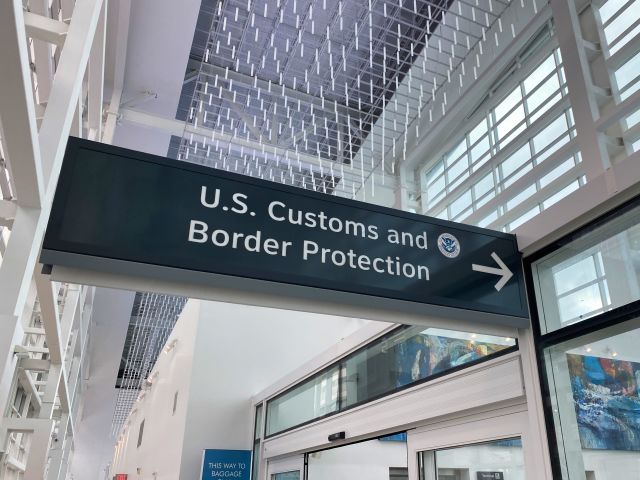
U.S. Customs and Border Protection is working through a revised proposal that could require visitors from 42 Visa Waiver Program countries, including the UK, Australia, France, Germany, and Japan, to hand over five years of social media history before entering the US. Nothing is in effect yet, and CBP has confirmed it will not be enforced before the FIFA World Cup. But the direction is clear, and it is already affecting how international travelers think about visiting America.
Nothing Has Changed Yet. ESTA applications are unchanged for now.
The Proposal Is Still Being Revised. CBP has not published the amended version yet.
The Original Plan Was Broad. It included five years of social media handles, ten years of email addresses, expanded family details, and more.
The New Version May Be More Targeted. CBP has described a risk-tiered approach that would ask for more information only from some travelers.
It Will Not Apply Before The FIFA World Cup. CBP has said no new requirements will be enforced before the tournament.
US Citizens And Green Card Holders Are Not Affected. ESTA applies to travelers from Visa Waiver Program countries, not Americans returning home.
The original proposal, published in the Federal Register in December 2025, was sweeping. Under the draft rule, ESTA applicants from Visa Waiver Program countries would be required to submit:
Social media handles from the past five years across platforms such as Facebook, Instagram, X, LinkedIn, TikTok, and others
Email addresses used in the past ten years
Phone numbers from the past five years
Family member details, including names, dates of birth, and places of residence for parents and spouses
IP addresses and photo metadata
Expanded biometrics, including facial scans, fingerprints, and iris data
The proposal opened a 60-day public comment period that closed February 9, 2026. CBP received approximately 2,000 public comments. Critics, including the U.S. Travel Association, international tourism groups, and civil liberties organizations, warned that the rule could have a chilling effect on travel to the United States, especially from allied nations.
At the U.S. Travel Association’s IPW 2026 conference in Fort Lauderdale, CBP executive director Matt Davies said the agency is moving away from the original one-size-fits-all approach and toward what it calls a risk-tiered “waterfall” system.
That means not every ESTA applicant would be asked to hand over five years of social media history upfront. Instead, travelers could be asked for more information depending on how they answer certain questions during the ESTA process. Most travelers would likely move through without providing social media details at all.
That still was not exactly a sigh-of-relief moment for the travel industry. U.S. Travel Association CEO Geoff Freeman said he expects an amended proposal, but added that he was “disappointed that we’re not just ripping it up” and concerned about anything that could further discourage travel to the United States.
For now, the revised proposal is not final. CBP would still need to publish a new federal notice and open a second public comment period before any changes could move forward. That notice has not been published yet, there is no implementation date, and the current ESTA application remains unchanged.
The practical picture is straightforward: the ESTA application has not changed, and no action is required before any new rule is finalized. A few things are worth understanding clearly:
Apply through the official ESTA site. Avoid third-party sites that may overcharge travelers or misstate the current rules.
Do not reapply if you already have a valid ESTA. There is no indication travelers need to submit a new application because of this proposal.
Remember that public social media is already visible. Border authorities can already view publicly available profiles, but that is not the same as requiring travelers to submit five years of social media handles through ESTA.
Understand that device searches are separate. Phone searches can happen during secondary screening. CBP conducted around 55,000 device searches in the 2024 to 2025 period, up 17% year over year, though that still represents a small fraction of the more than 400 million travelers processed annually.
Watch for the next federal notice. CBP still needs to publish a revised proposal before anything moves forward, followed by another public comment period.
Know who ESTA applies to. US citizens, green card holders, and visa travelers are not subject to ESTA requirements. The program applies specifically to citizens of 42 Visa Waiver Program countries traveling to the US for stays of up to 90 days.
The FIFA World Cup runs across North America from June 11 to July 19, 2026, bringing a major surge in international visitors to the US. CBP’s confirmation that no new ESTA social media requirement will take effect before the tournament gives fans some clarity as they plan their trips.
Still, the proposal has already made some travelers uneasy. International travel groups have warned that changing rules, extra screening, and the possibility of handing over years of online history could discourage visitors from choosing the US.
For now, the message is simple: today’s ESTA process is unchanged. The proposal is real, but it is still being revised, and any final rule would require a new federal notice and another public comment period before moving forward.
No. As of May 2026, there is no requirement for Visa Waiver Program travelers to submit social media history as part of their ESTA application. The CBP proposal is still being revised and has not been finalized.
The proposal would affect citizens of the 42 countries in the US Visa Waiver Program, including the UK, Australia, France, Germany, Japan, and South Korea, who travel to the US for short stays without a visa.
No. CBP has confirmed the social media requirements will not be enforced before the FIFA World Cup, which runs from June 11 to July 19, 2026.
They can already view publicly accessible social media profiles. They can also request device access during secondary inspection, though this affects only about 1 in 10,000 travelers.
ESTA, or the Electronic System for Travel Authorization, is the online travel authorization required for citizens of 42 Visa Waiver Program countries to visit the US for up to 90 days. It includes most of Western Europe, the UK, Australia, Japan, and South Korea.
No date has been confirmed. CBP is expected to publish a follow-up federal notice after completing its public comment review, which would trigger a second round of comments. No implementation is expected before fall 2026 at the earliest.
No one is required to delete posts. Legal experts generally advise being aware of what your public profiles show and making sure they do not misrepresent the purpose of your trip.
No. US citizens and permanent residents are not subject to ESTA requirements. This proposal applies specifically to foreign nationals traveling under the Visa Waiver Program.